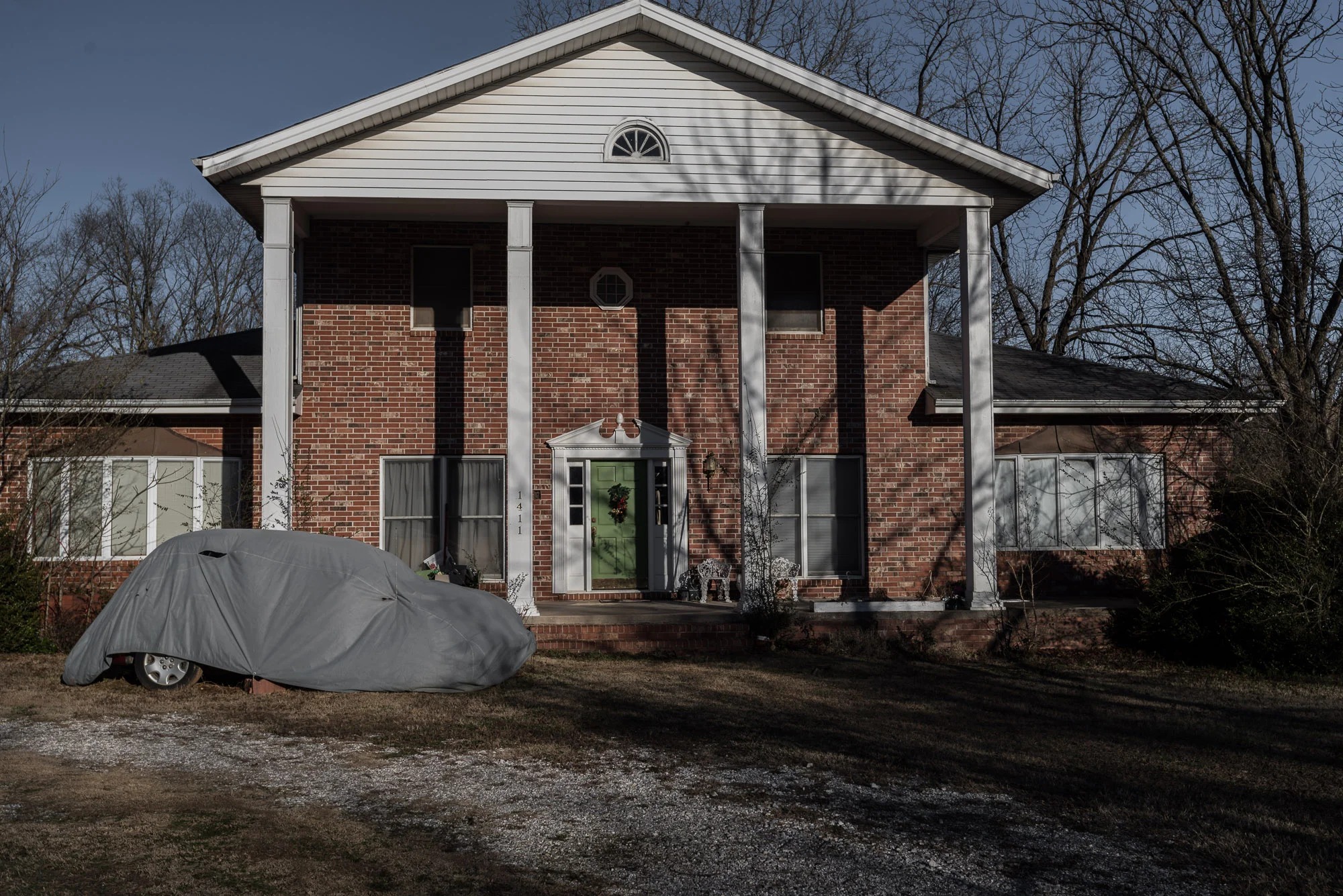
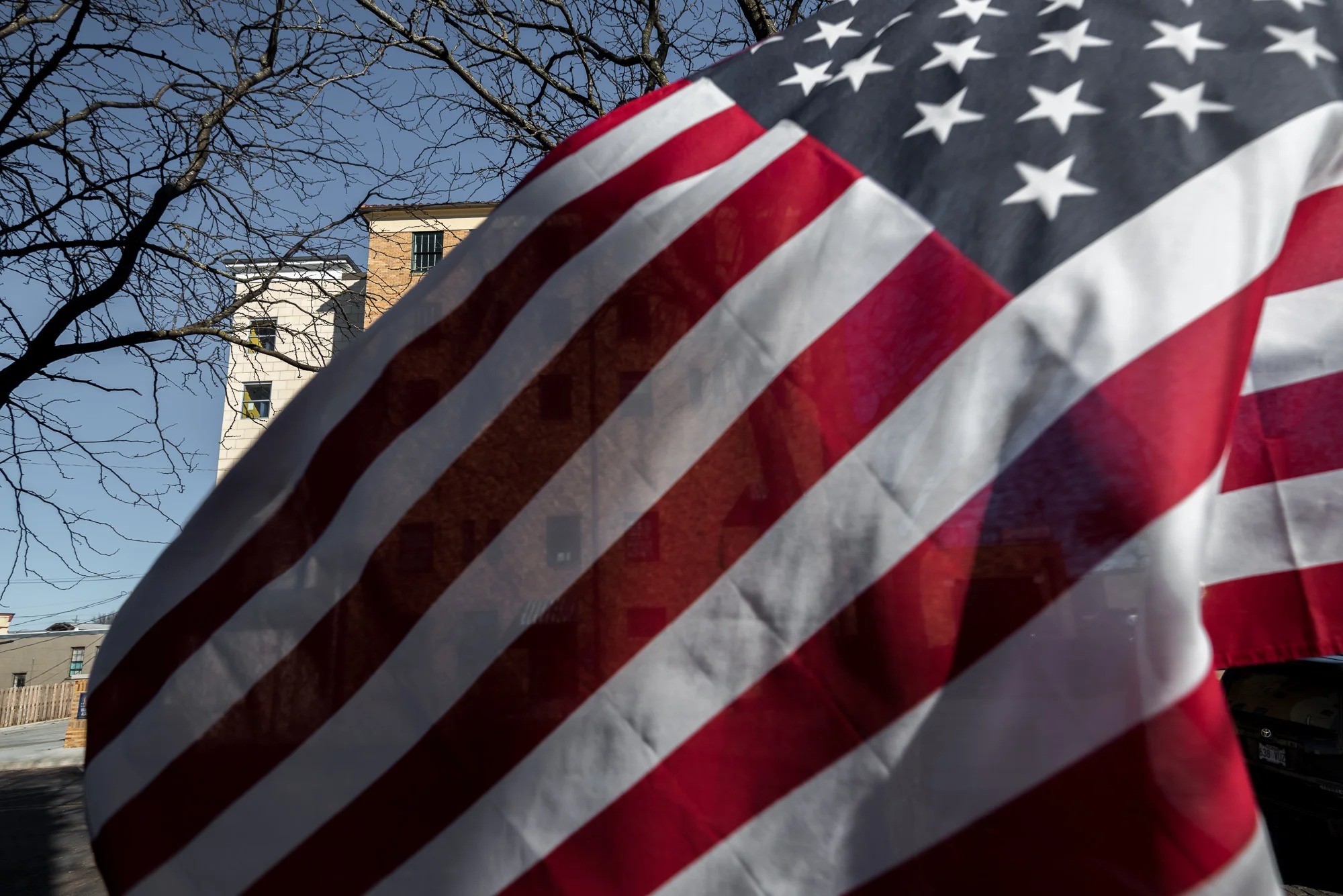
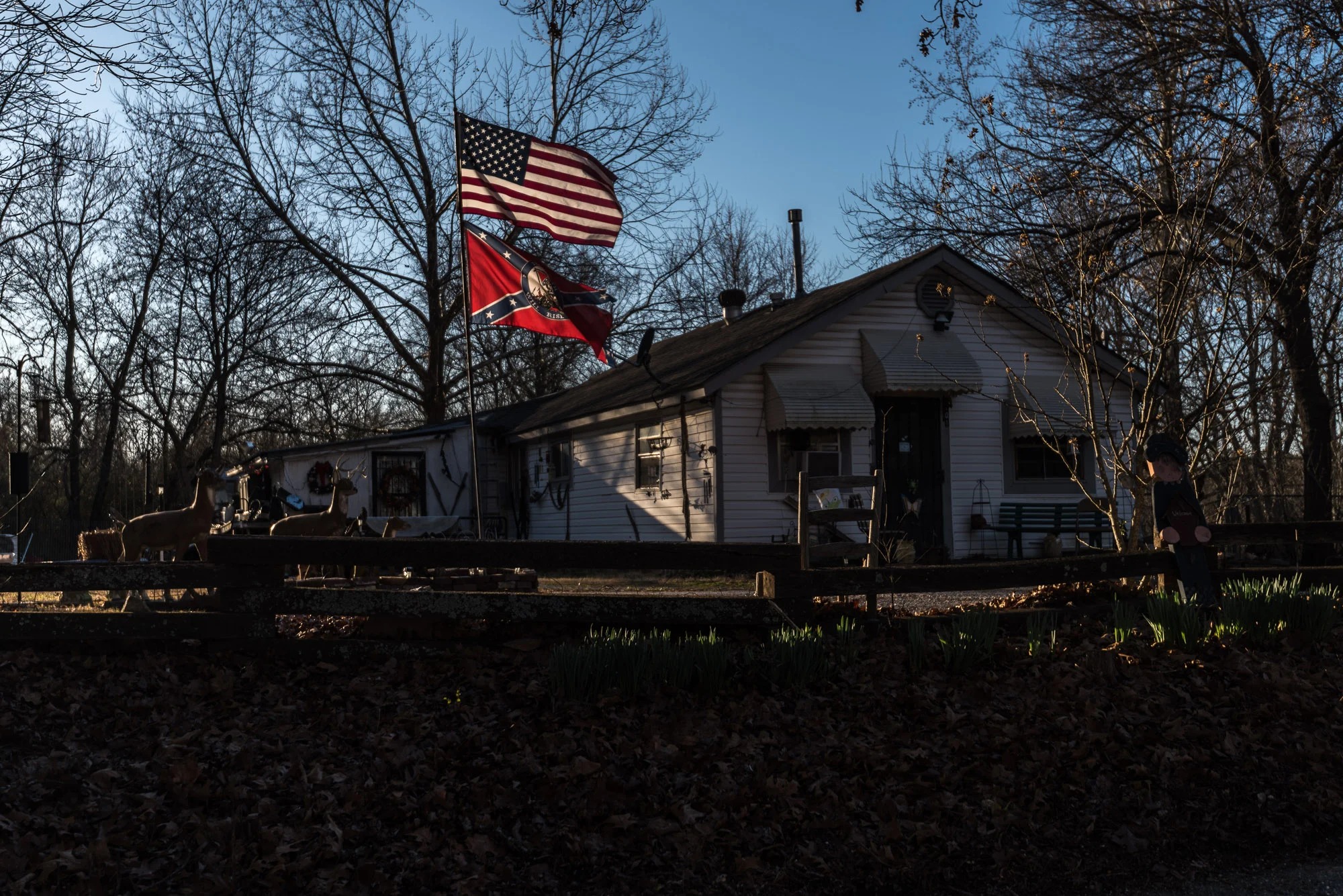
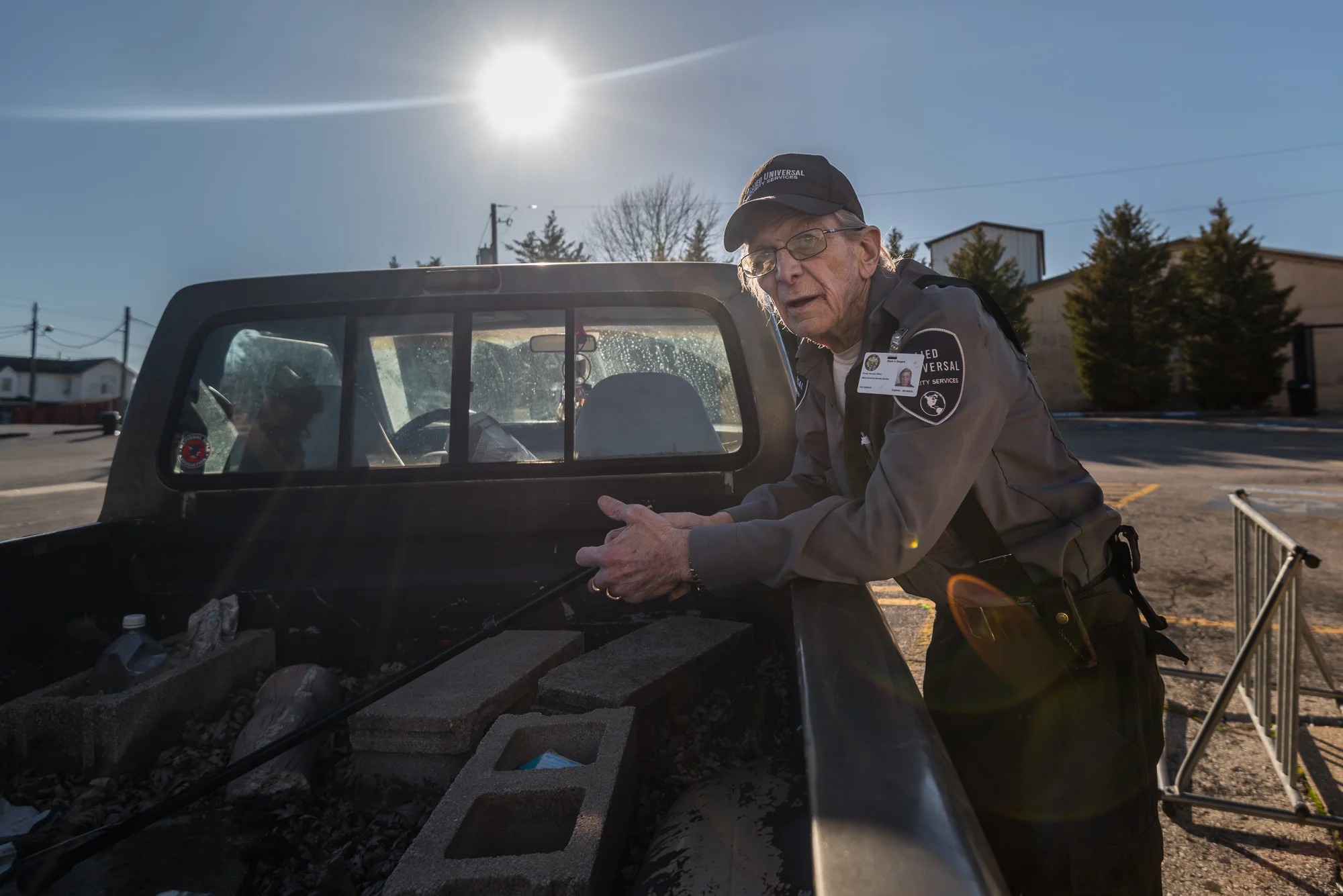
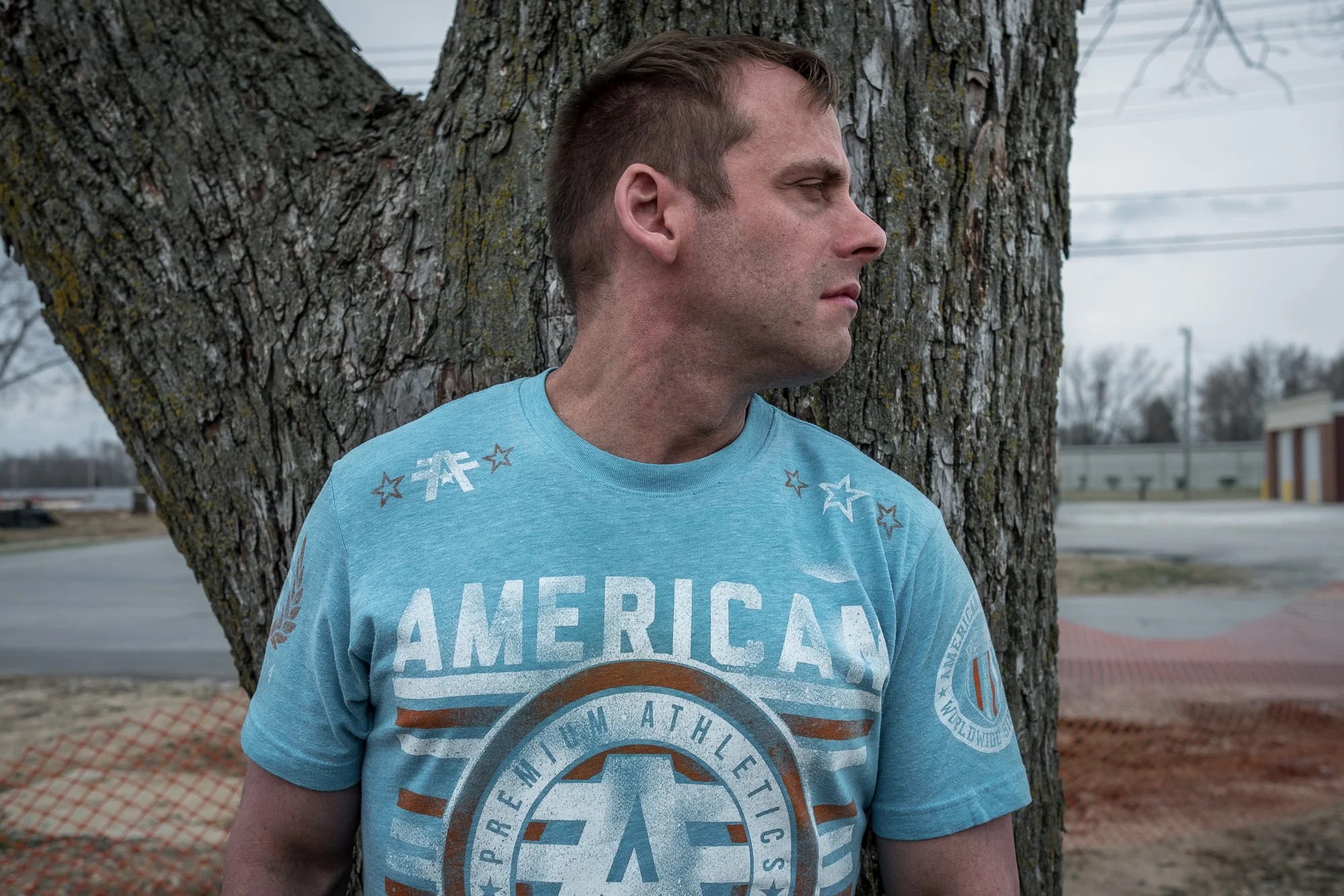
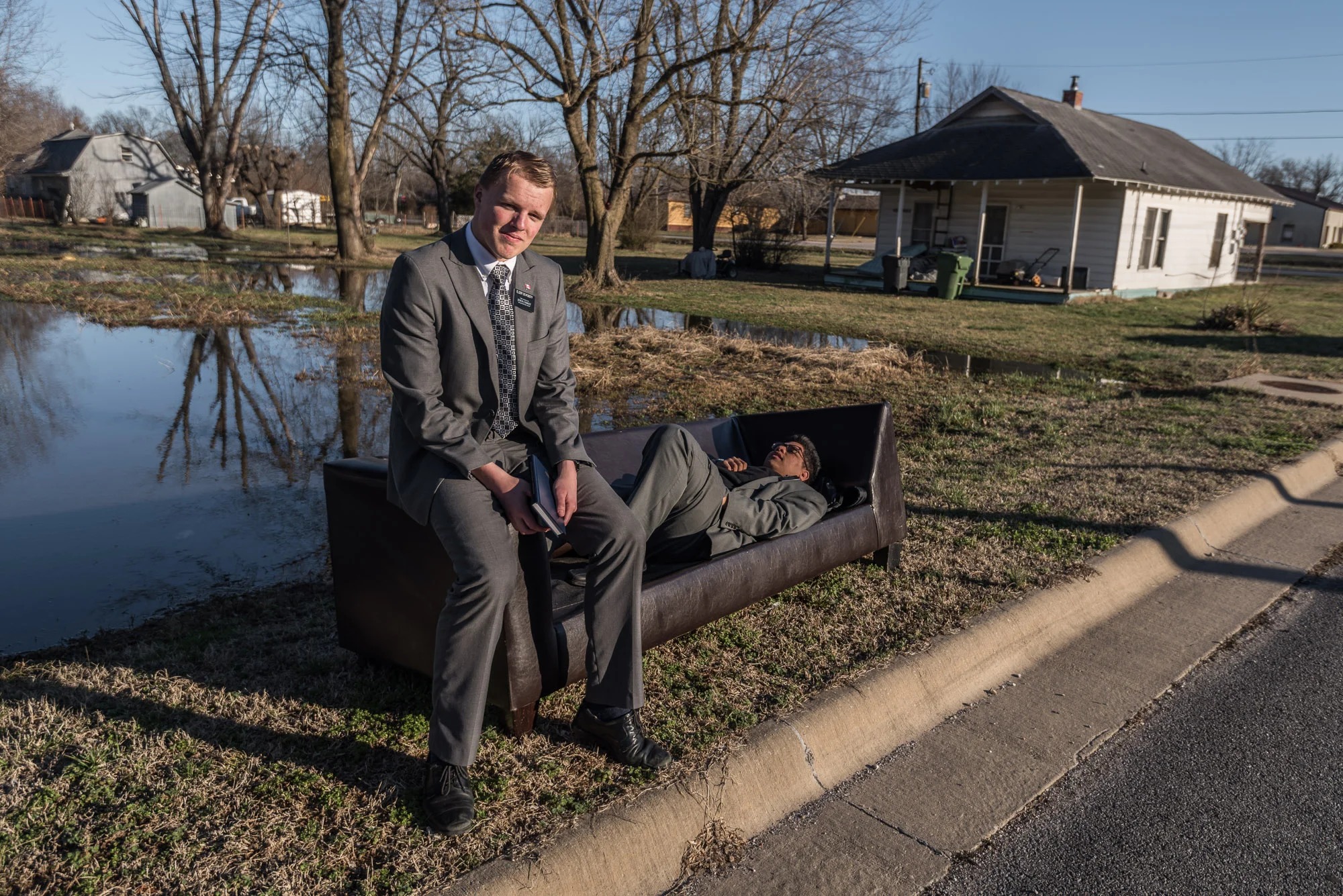
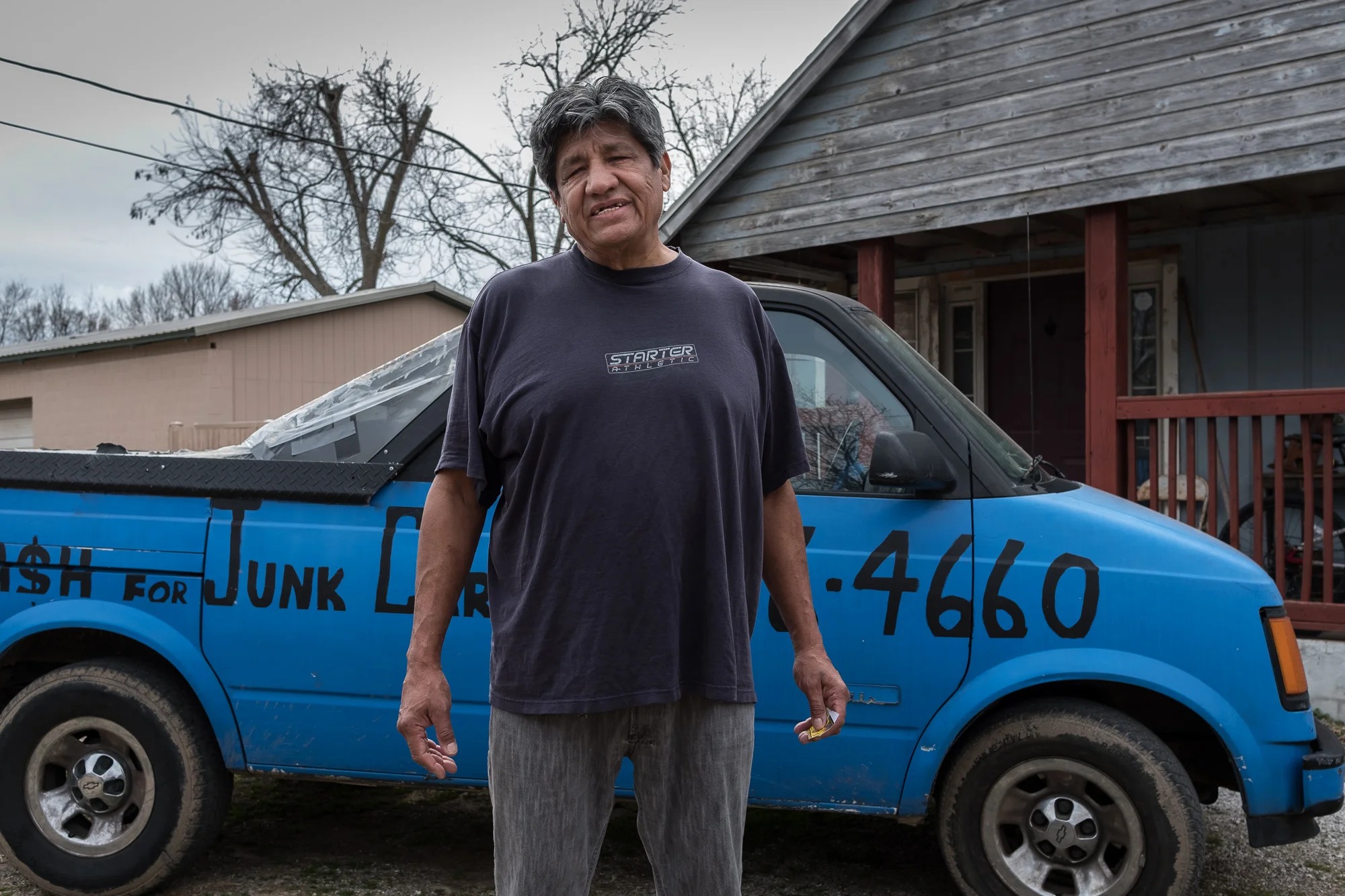
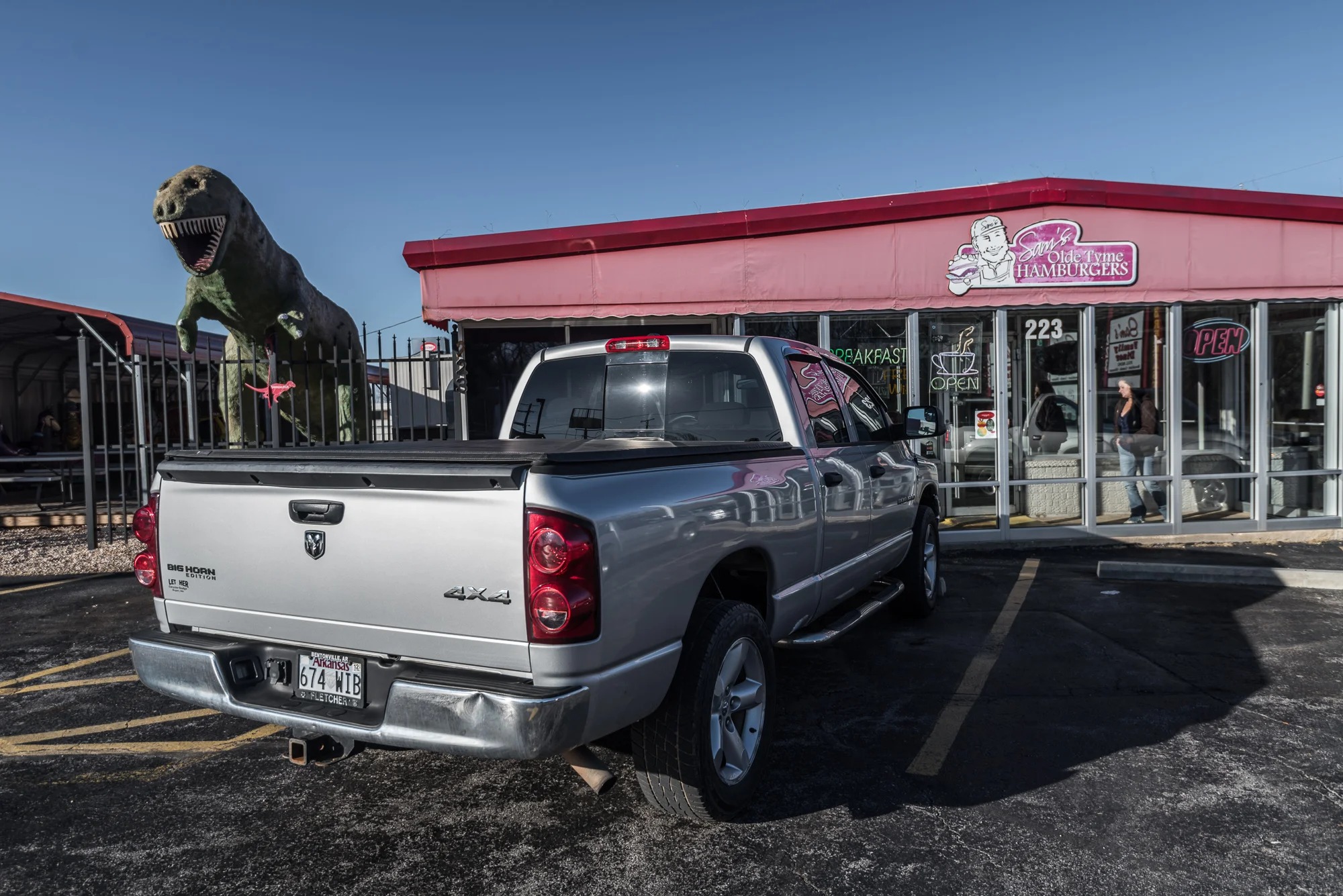
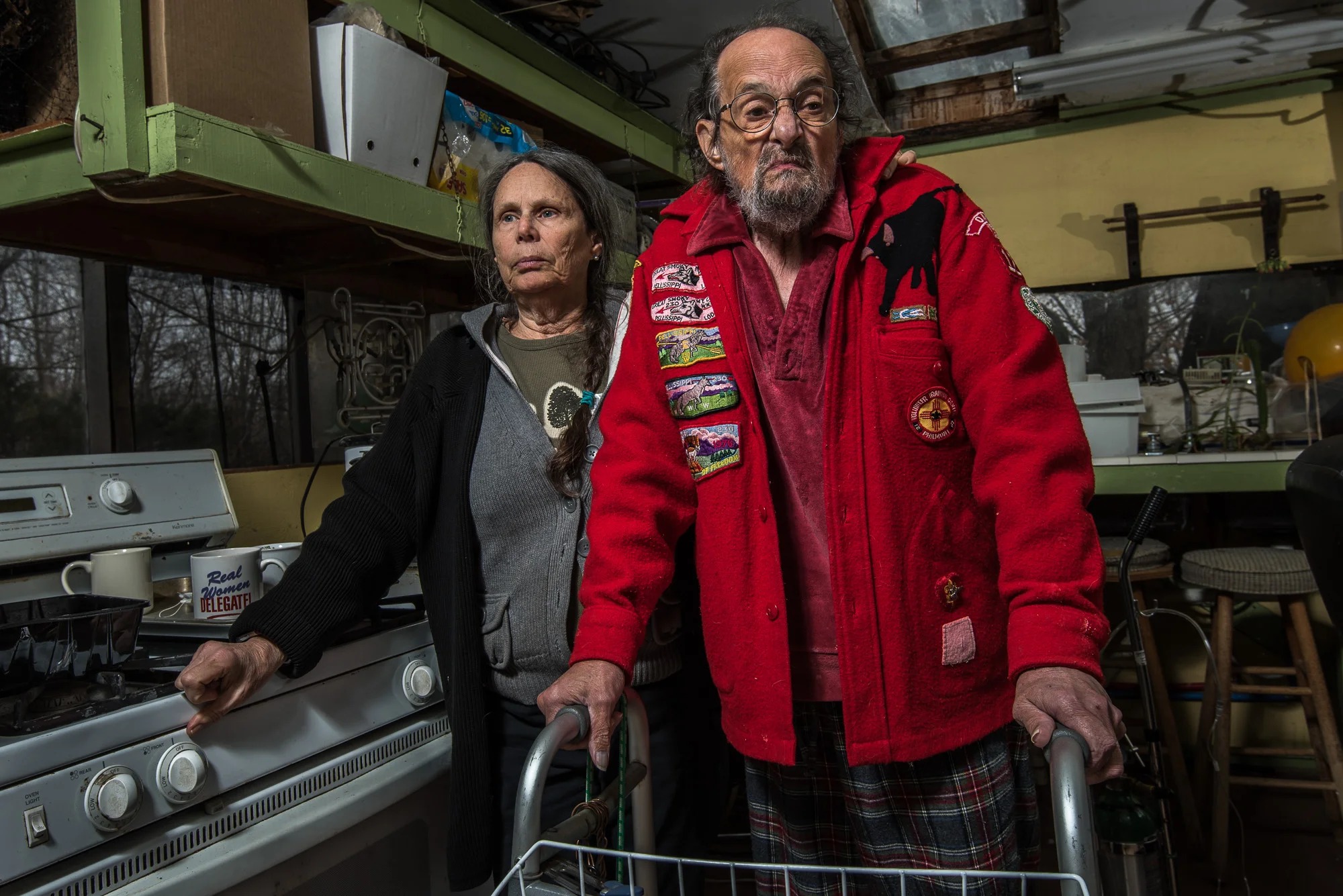
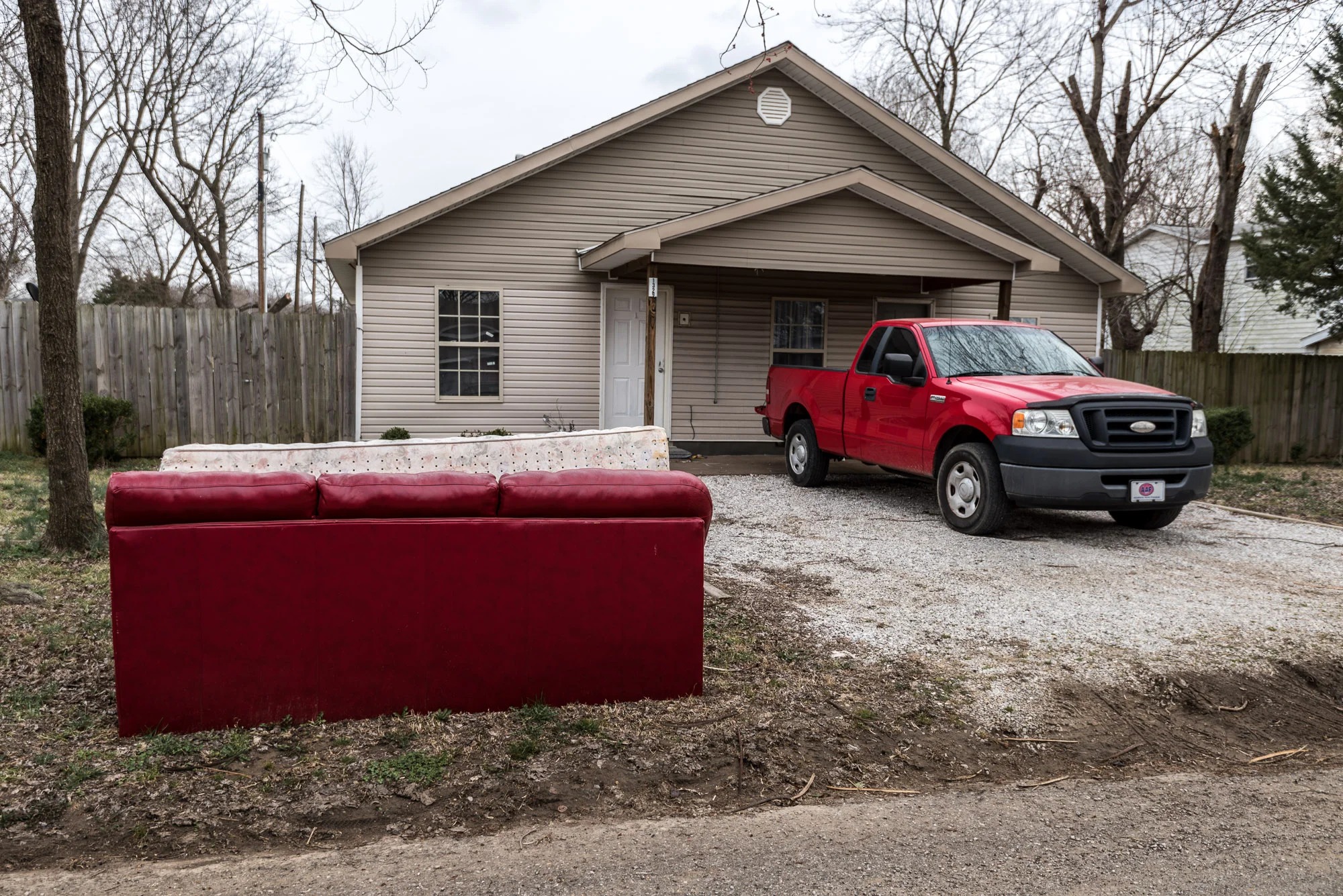
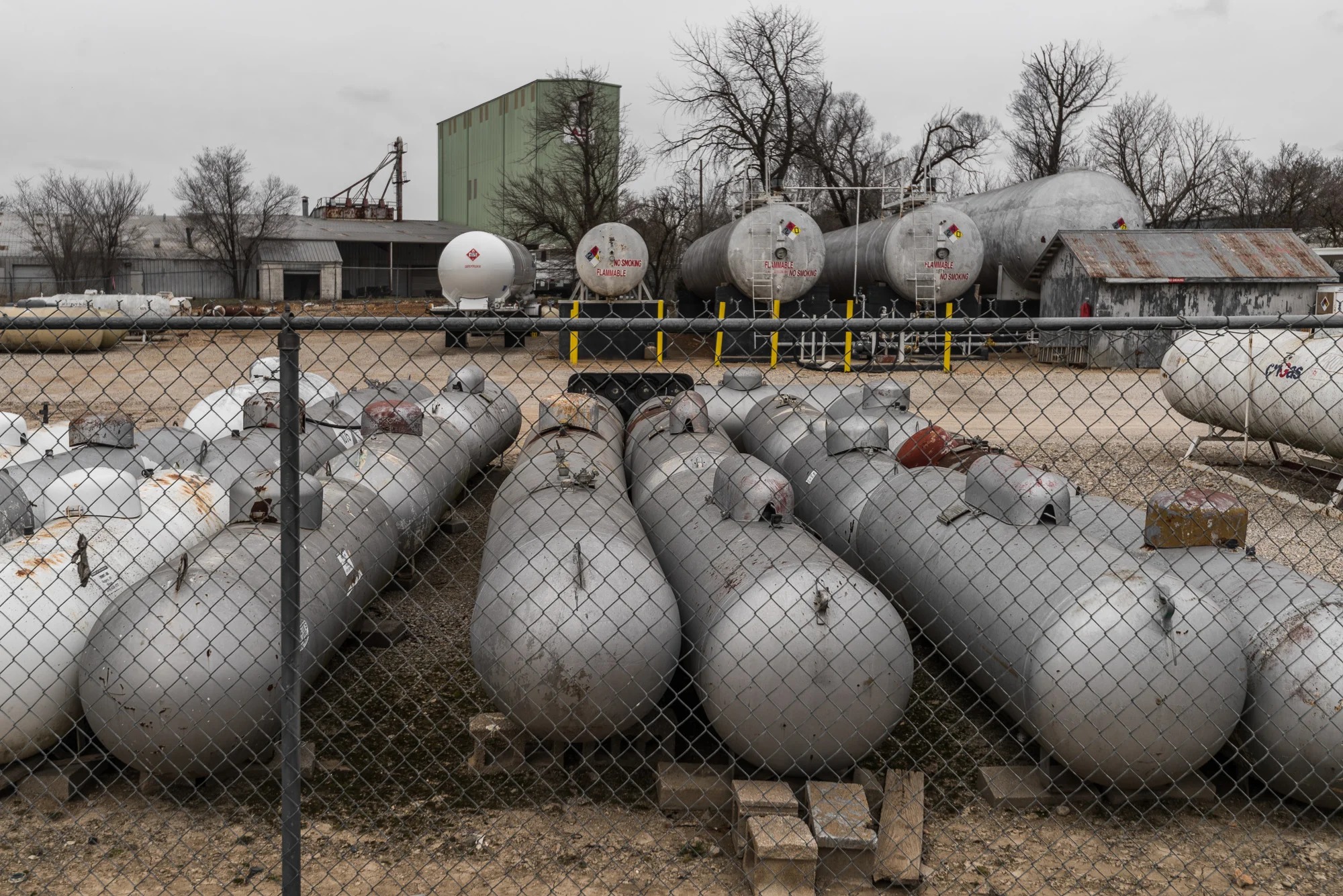
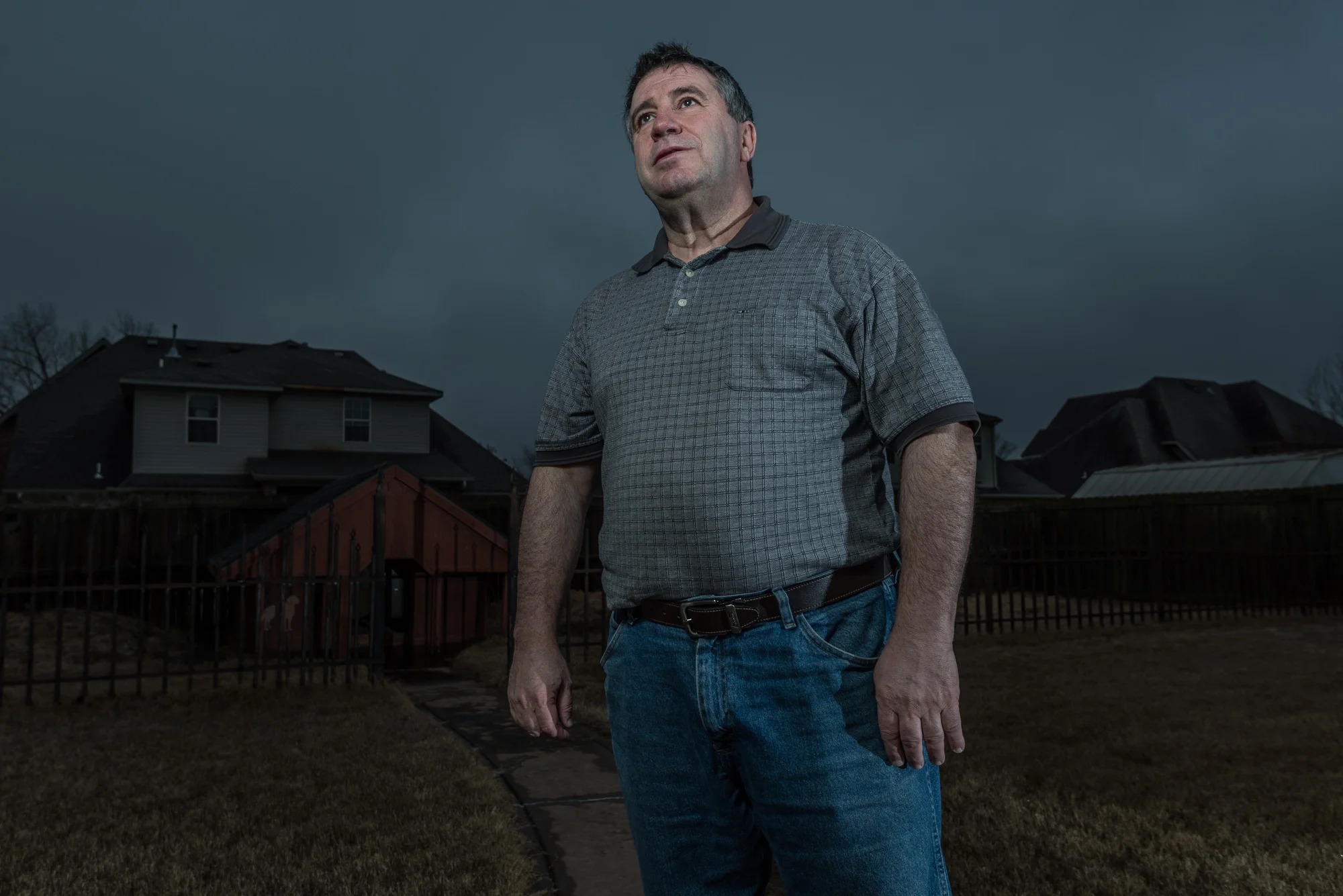
Upon an Ozark Plateau are the people of Northwest Arkansas, a place emerging from generations of poverty yet presently known as one of the best locations to live in the United States.
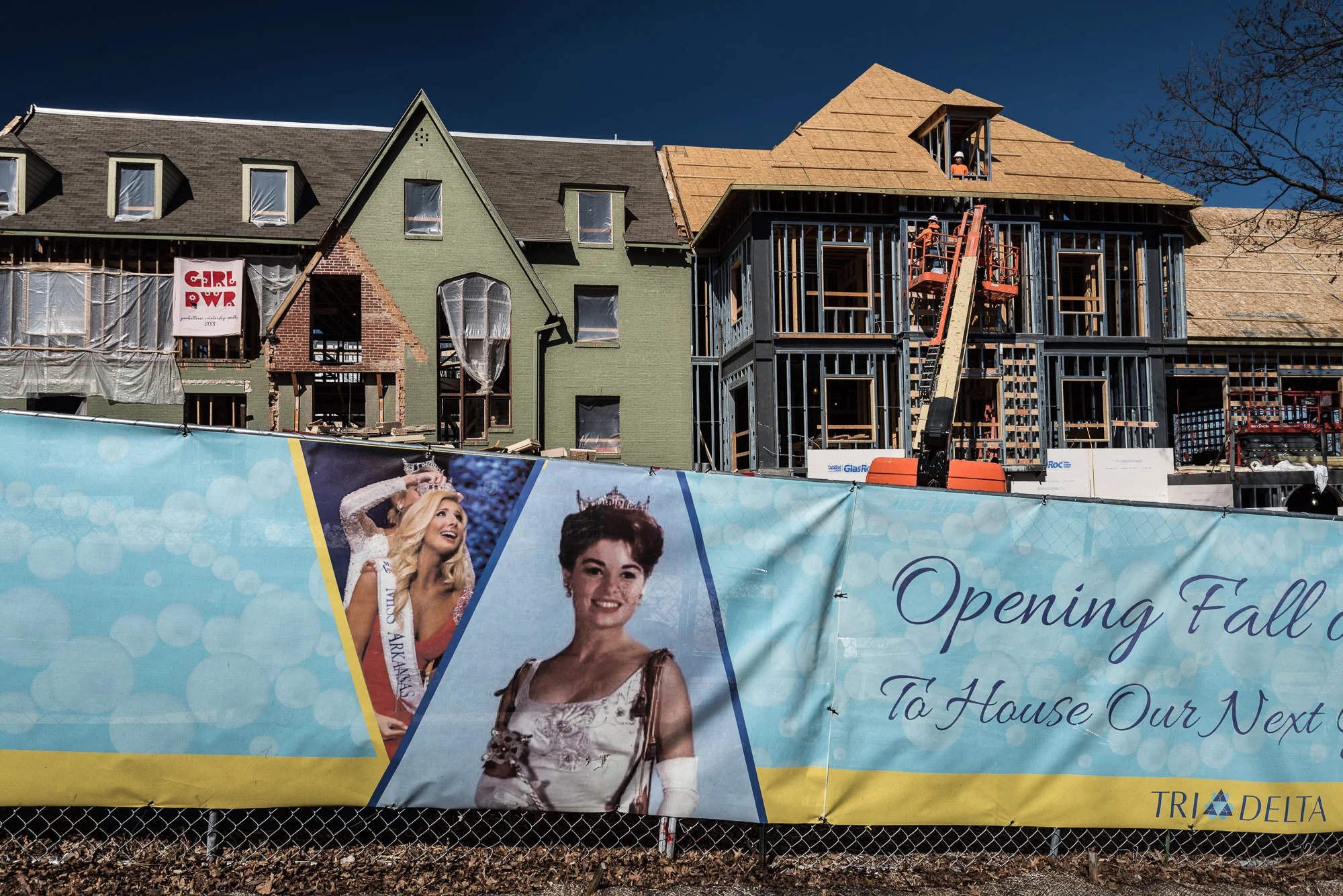
Residents live in the shadow of the world’s largest poultry producer, largest truck line, and largest retailer. Tyson Foods, J.B. Hunt Transportation, and Walmart have mobilized a dramatic urban investment – underway to attract FORTUNE 500 transplants. New art museums, restaurants, bike trails, and music venues have made Northwest Arkansas the chic, new destination within a cultural triangle that connects Dallas, St. Louis and Kansas City.
Yet this same investment creates schism and a vortex of values. It bores holes in the landscape formerly defined by generations who eked out a living upon poor soil, absent natural resources. The clash between old and new residents has created a nexus in Northwest Arkansas.
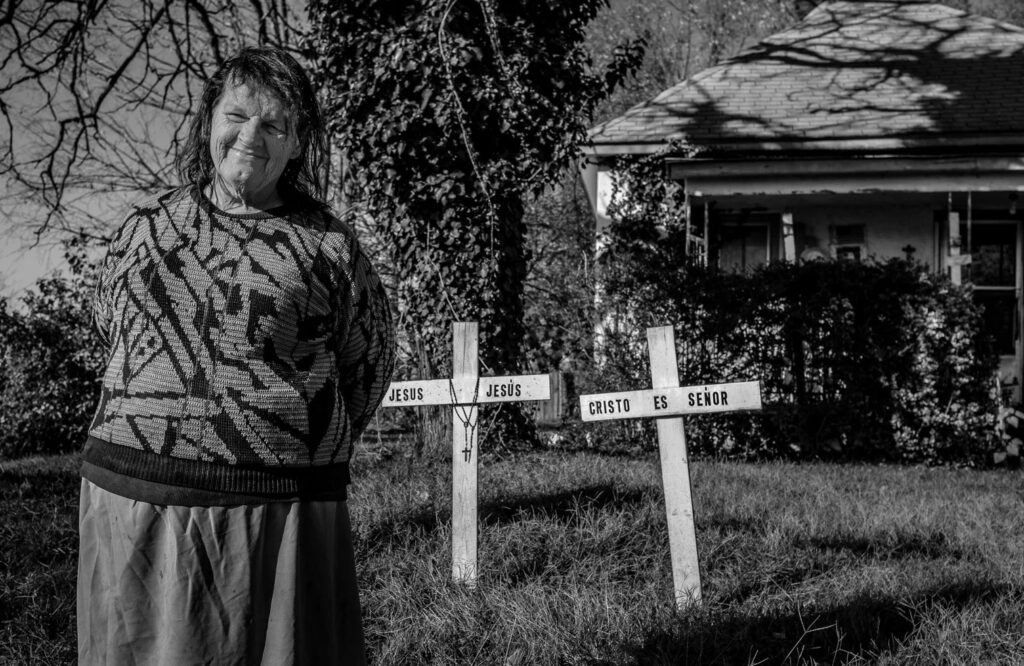
Mentors Patti Carroll and Susan Meiselas supported the work during this period, and it was exhibited in Massachusetts, Missouri, and in Arkansas. Two of its images were given an honorable award and stipend at Photo Spiva in 2019.
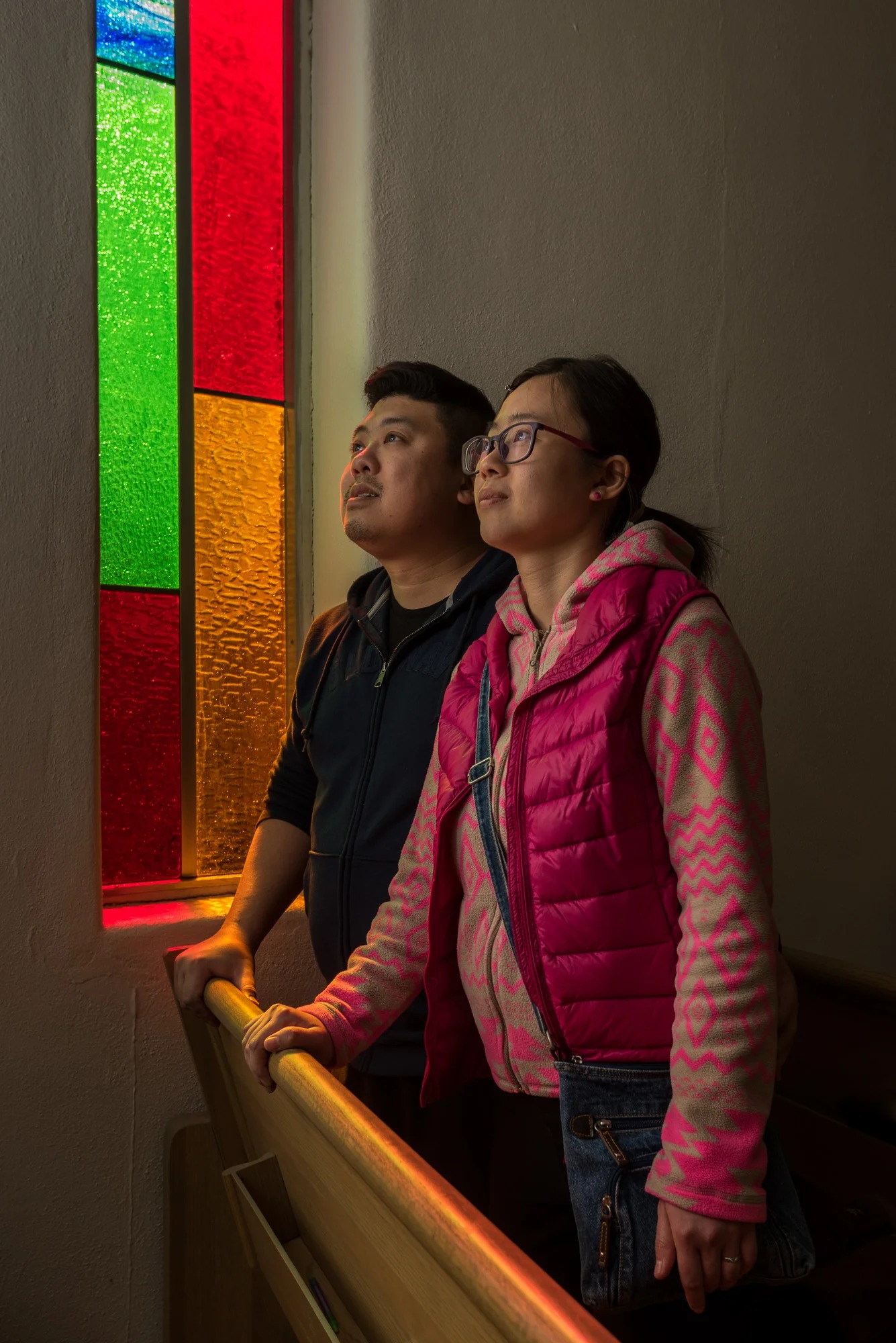
Katarina Bailey was a minister and member of the Holy Lutheran Church, living near the historic center of Rogers AR. She passed to her promised land in May 2024.
Continue through
the wider body of work.
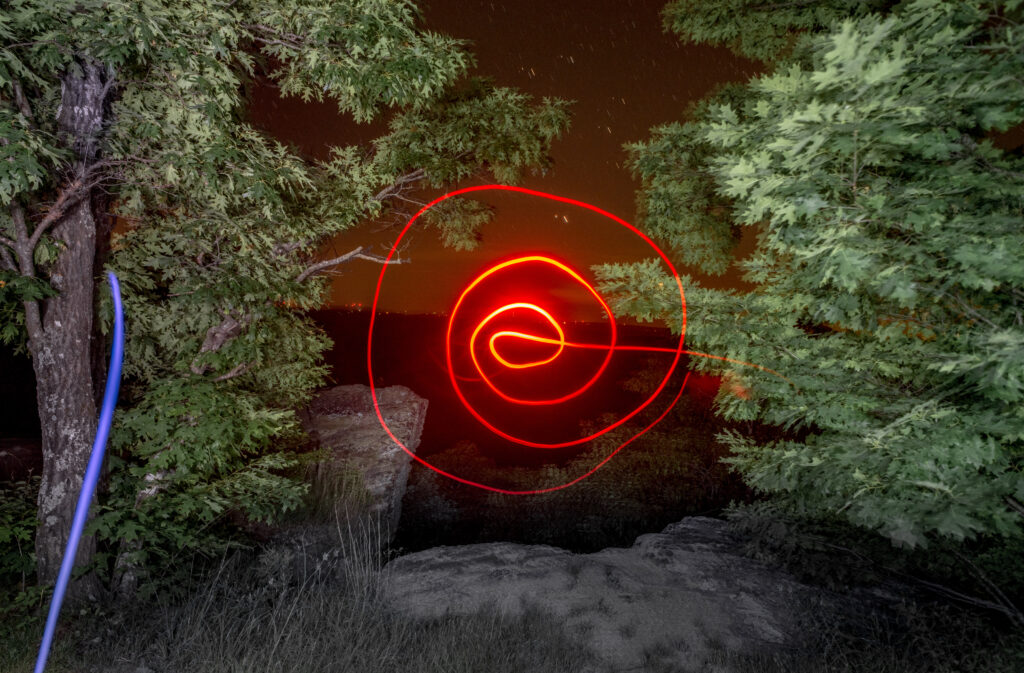
White Rock Mountain Recreational Area offers one of the most stunning panoramas in the Natural State of Arkansas. It was a perfect place for in camera light painting at dusk one evening in 2015.
“In 2017 I worked closely with the largest state park in Arkansas and with several of its Interpreters. Al Knox had made an inventory of Trail Trees, sometimes called Mystery Trees. Of several understandings, these bound and disfigured trees grow in the direction to a source of water, and Interpreter Knox used his water dowsing skills to prove their significance.
To date, I’m the only photographer to ever make a systematic study of Trail Trees at Hobbs State Park.”
In 2017 I worked closely with the largest state park in Arkansas and with several of its Interpreters. Al Knox had made an inventory of Trail Trees, sometimes called Mystery Trees. Of several understandings, these bound and disfigured trees grow in the direction to a source of water, and Interpreter Knox used his water dowsing skills to prove their significance.
To date, I’m the only photographer to ever make a systematic study of Trail Trees at Hobbs State Park.
In 2017 I worked closely with the largest state park in Arkansas and with several of its Interpreters. Al Knox had made an inventory of Trail Trees, sometimes called Mystery Trees. Of several understandings, these bound and disfigured trees grow in the direction to a source of water, and Interpreter Knox used his water dowsing skills to prove their significance.
To date, I’m the only photographer to ever make a systematic study of Trail Trees at Hobbs State Park.
In 2017 I worked closely with the largest state park in Arkansas and with several of its Interpreters. Al Knox had made an inventory of Trail Trees, sometimes called Mystery Trees. Of several understandings, these bound and disfigured trees grow in the direction to a source of water, and Interpreter Knox used his water dowsing skills to prove their significance.
To date, I’m the only photographer to ever make a systematic study of Trail Trees at Hobbs State Park.
“Travelling Route 66 before Interstates provides me a unique perspective to the Mother Road. I’ve crisscrossed the country on its pavement, stopped at most of its attractions, and lived on the road for several years in downtown Albuquerque near the Kimo Theater. Later, in 2015, Greg Disch and I journeyed with intention to the most colorful and iconic locations. It was fun staying at the Blue Swallow Motel.
A year later, in 2016, I celebrated these images in a solo show in Fayetteville, and in 2021 an image from this series was awarded Best of Show during the Fort Smith Regional Art Museum’s Invitational call for art.”
“Travelling Route 66 before Interstates provides me a unique perspective to the Mother Road. I’ve crisscrossed the country on its pavement, stopped at most of its attractions, and lived on the road for several years in downtown Albuquerque near the Kimo Theater. Later, in 2015, Greg Disch and I journeyed with intention to the most colorful and iconic locations. It was fun staying at the Blue Swallow Motel.
A year later, in 2016, I celebrated these images in a solo show in Fayetteville, and in 2021 an image from this series was awarded Best of Show during the Fort Smith Regional Art Museum’s Invitational call for art.”
“Travelling Route 66 before Interstates provides me a unique perspective to the Mother Road. I’ve crisscrossed the country on its pavement, stopped at most of its attractions, and lived on the road for several years in downtown Albuquerque near the Kimo Theater. Later, in 2015, Greg Disch and I journeyed with intention to the most colorful and iconic locations. The Slug Bug Ranch outside of Amarillo is a favorite for me, here rendered like a vintage postcard.
A year later, in 2016, I celebrated these images in a solo show in Fayetteville, and in 2021 an image from this series was awarded Best of Show during the Fort Smith Regional Art Museum’s Invitational call for art.”
In 2015, I traveled through northern and southwestern New Mexico with photographer Cleo Wright and poet Keli Wright. Cleo and I later exhibited our images at the John Blatz Gallery on Bentonville Square, alongside Keli’s poems inspired by our journey. My work was also featured in a juried alumni exhibit at Northwest Arkansas Community College.
Espanola, New Mexico has always been an authentic Southwestern community for me, which this image illustrates a brief moment of.
In 2015, I traveled through northern and southwestern New Mexico with photographer Cleo Wright and poet Keli Wright. Cleo and I later exhibited our images at the John Blatz Gallery on Bentonville Square, alongside Keli’s poems inspired by our journey. My work was also featured in a juried alumni exhibit at Northwest Arkansas Community College.
Santuario de Chimayo is one of the most important Catholic pilgrimage sites in the United States.
In 2015, I traveled through northern and southwestern New Mexico with photographer Cleo Wright and poet Keli Wright. Cleo and I later exhibited our images at the John Blatz Gallery on Bentonville Square, alongside Keli’s poems inspired by our journey. My work was also featured in a juried alumni exhibit at Northwest Arkansas Community College.
Santuario de Chimayo is one of the most important Catholic pilgrimage sites in the United States.
In 2015, I traveled through northern and southwestern New Mexico with photographer Cleo Wright and poet Keli Wright. Cleo and I later exhibited our images at the John Blatz Gallery on Bentonville Square, alongside Keli’s poems inspired by our journey. My work was also featured in a juried alumni exhibit at Northwest Arkansas Community College.
We hiked into the De-Na-Zin Wilderness (Bisti) during two days and one long night, capturing the lunar landscape of this federal reserve within Navajo Nation.
In 2015, I traveled through northern and southwestern New Mexico with photographer Cleo Wright and poet Keli Wright. Cleo and I later exhibited our images at the John Blatz Gallery on Bentonville Square, alongside Keli’s poems inspired by our journey. My work was also featured in a juried alumni exhibit at Northwest Arkansas Community College.
Black Hands was captured inside a kiva, accessible only by a wooden ladder.
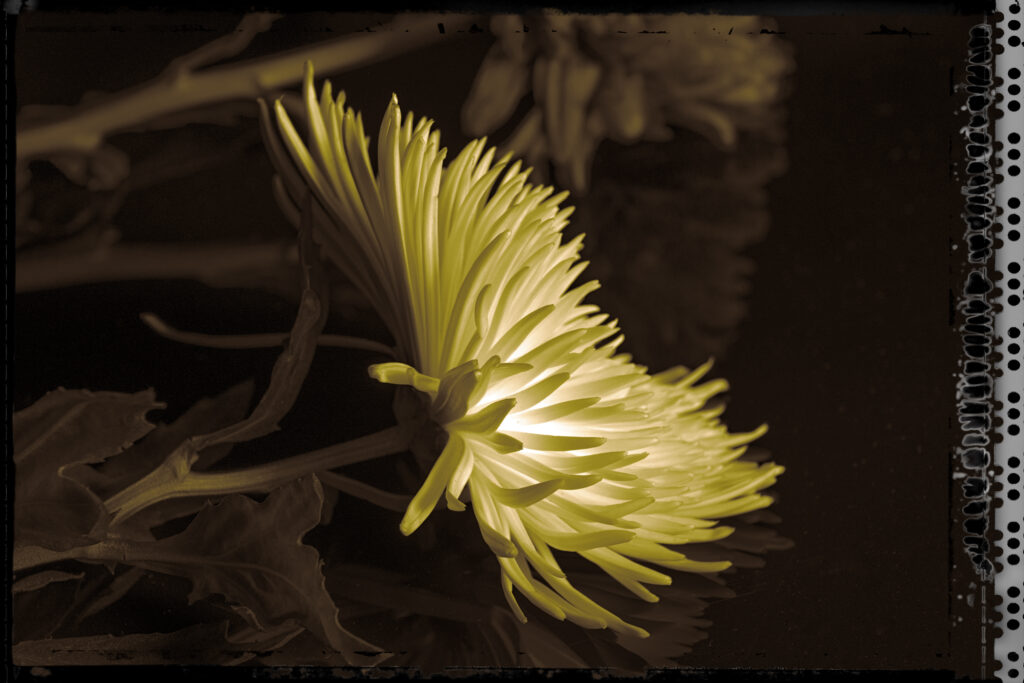
For several years I shared a studio on Emma Street in Springdale, Arkansas where annually we would setup for a Flowers in the Studio event. These images are my favorites from this period.
Eureka Springs, Arkansas is a favorite destination of mine due to its diverse community and rich history of natural springs. In 2026, I was in there in residency at Dairy Hollow Artist Colony for ten days.