Artist Statement
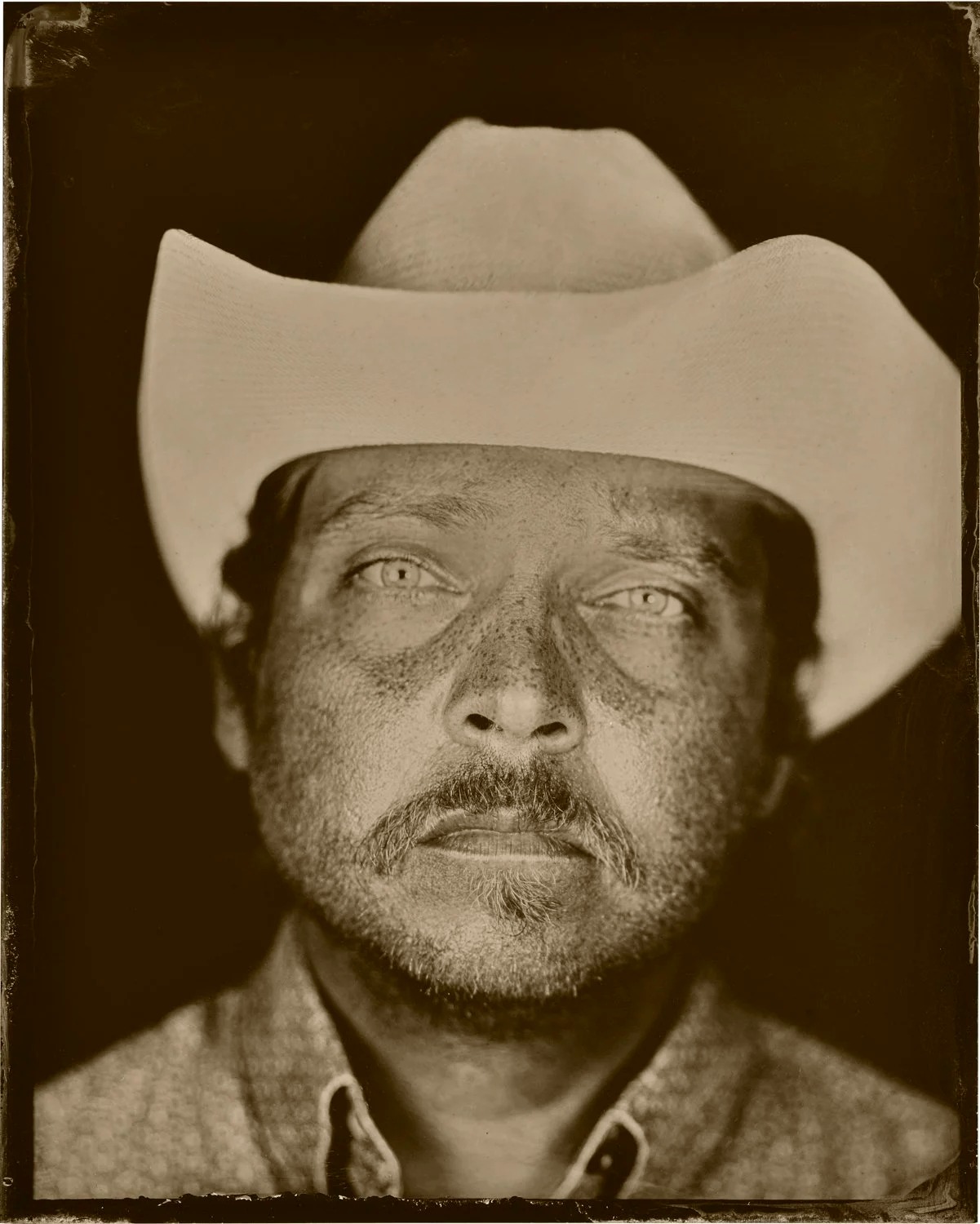
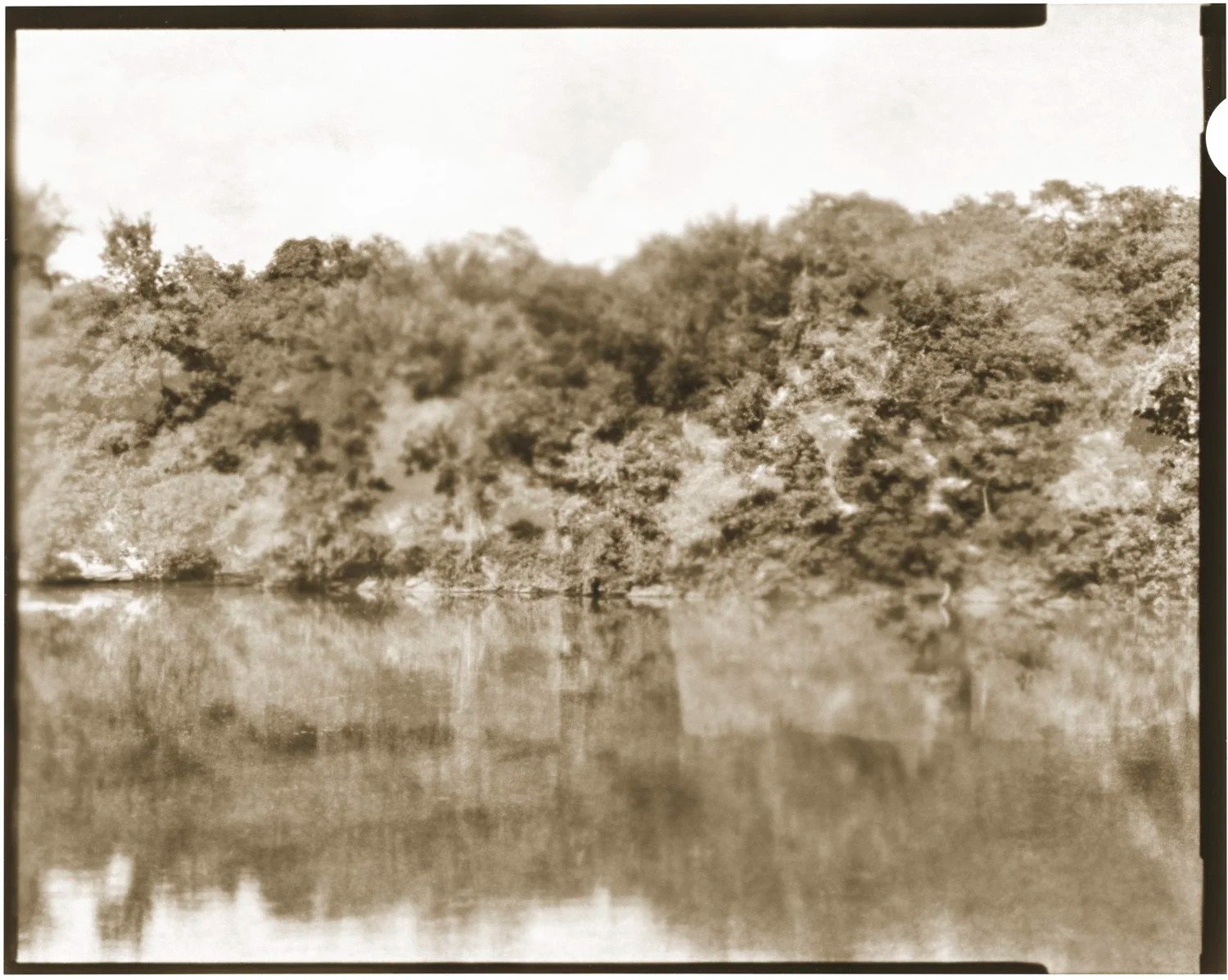
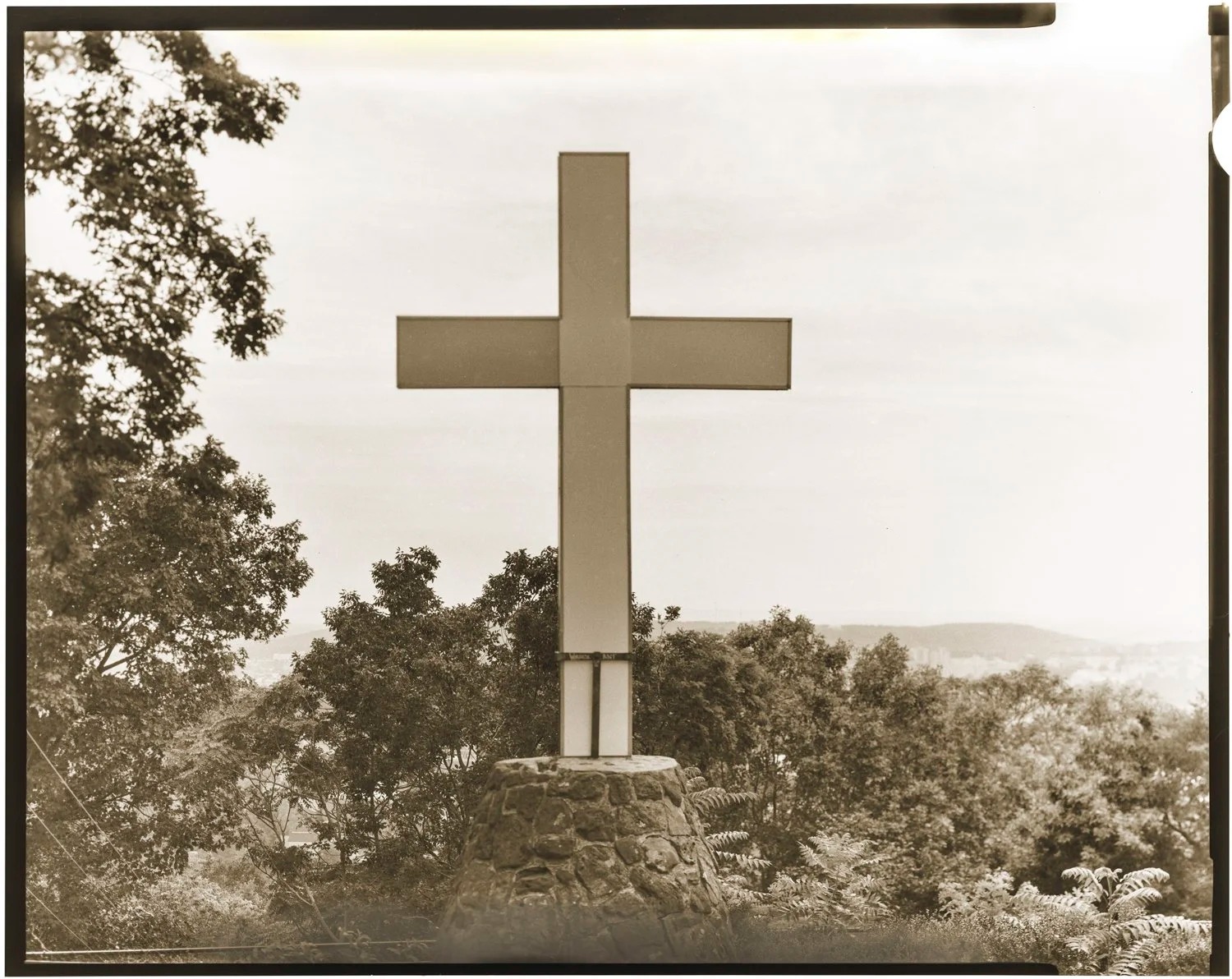
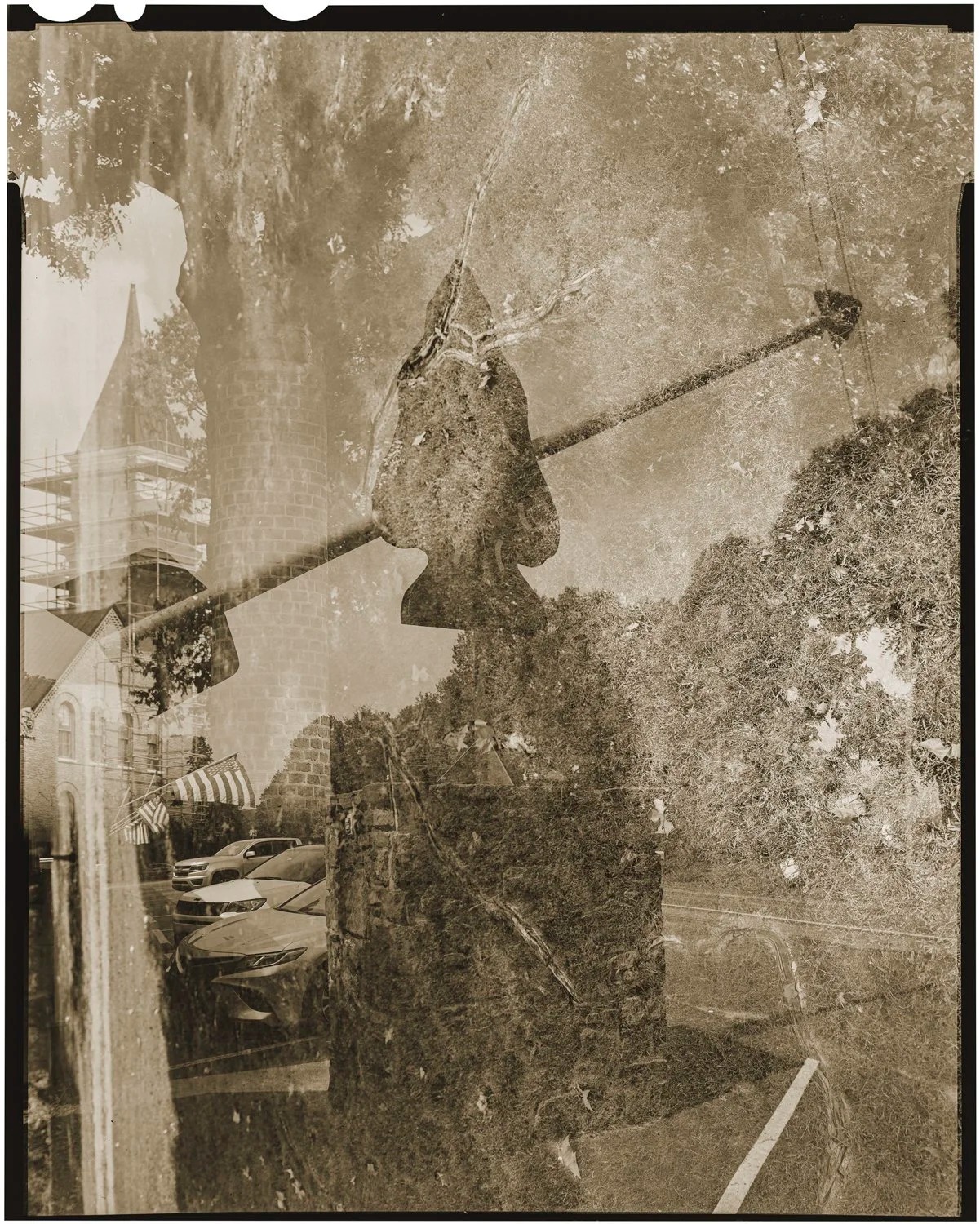
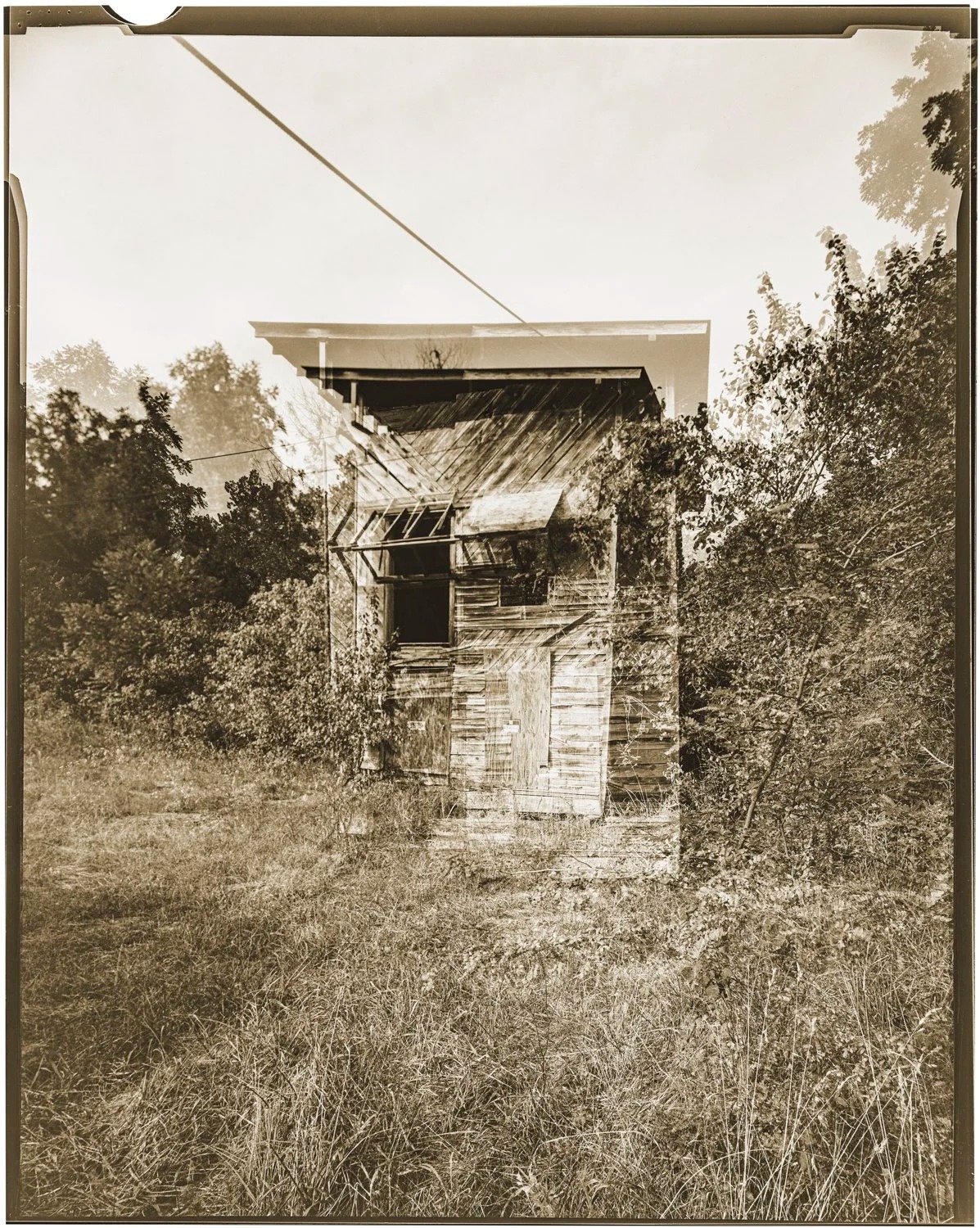
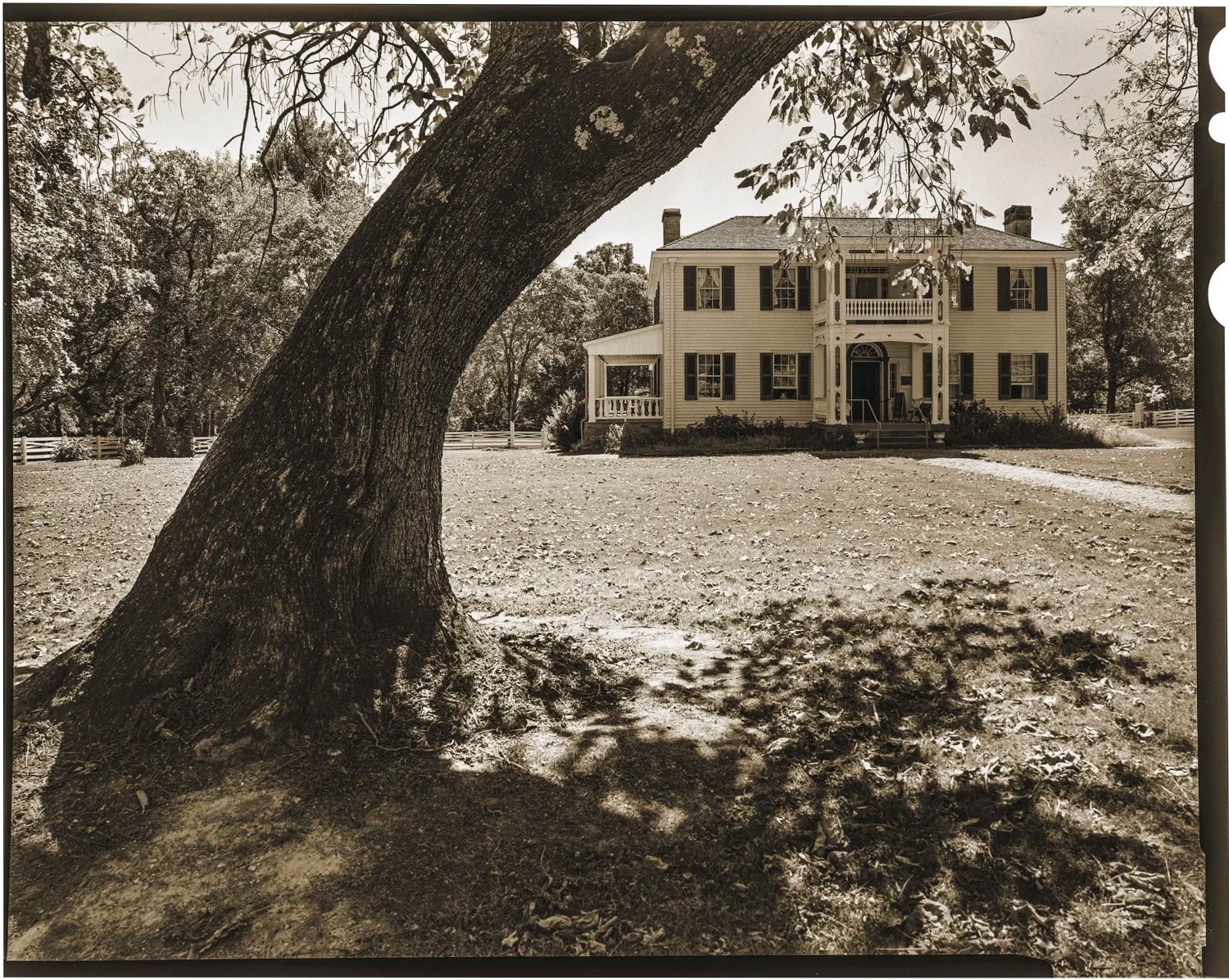
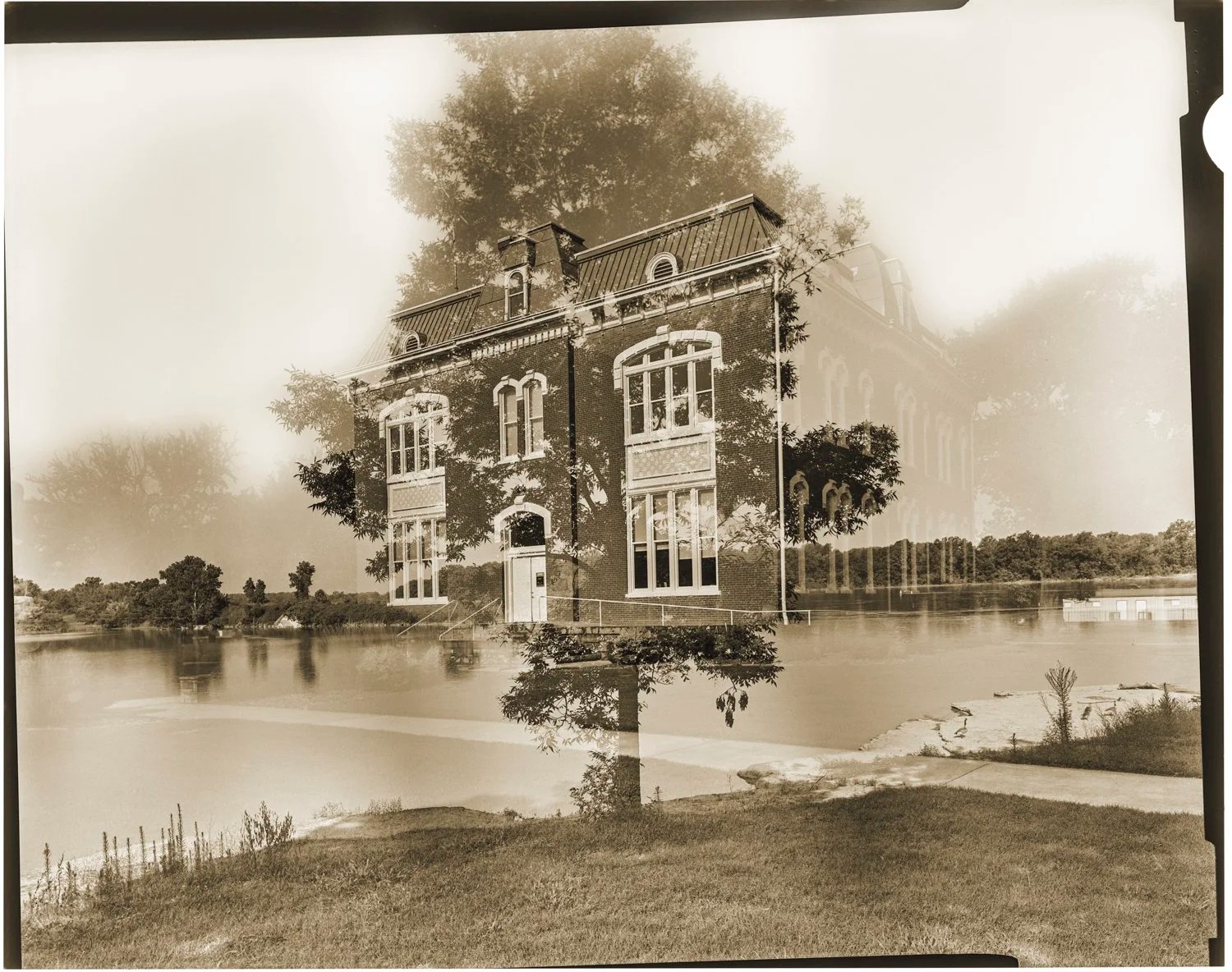
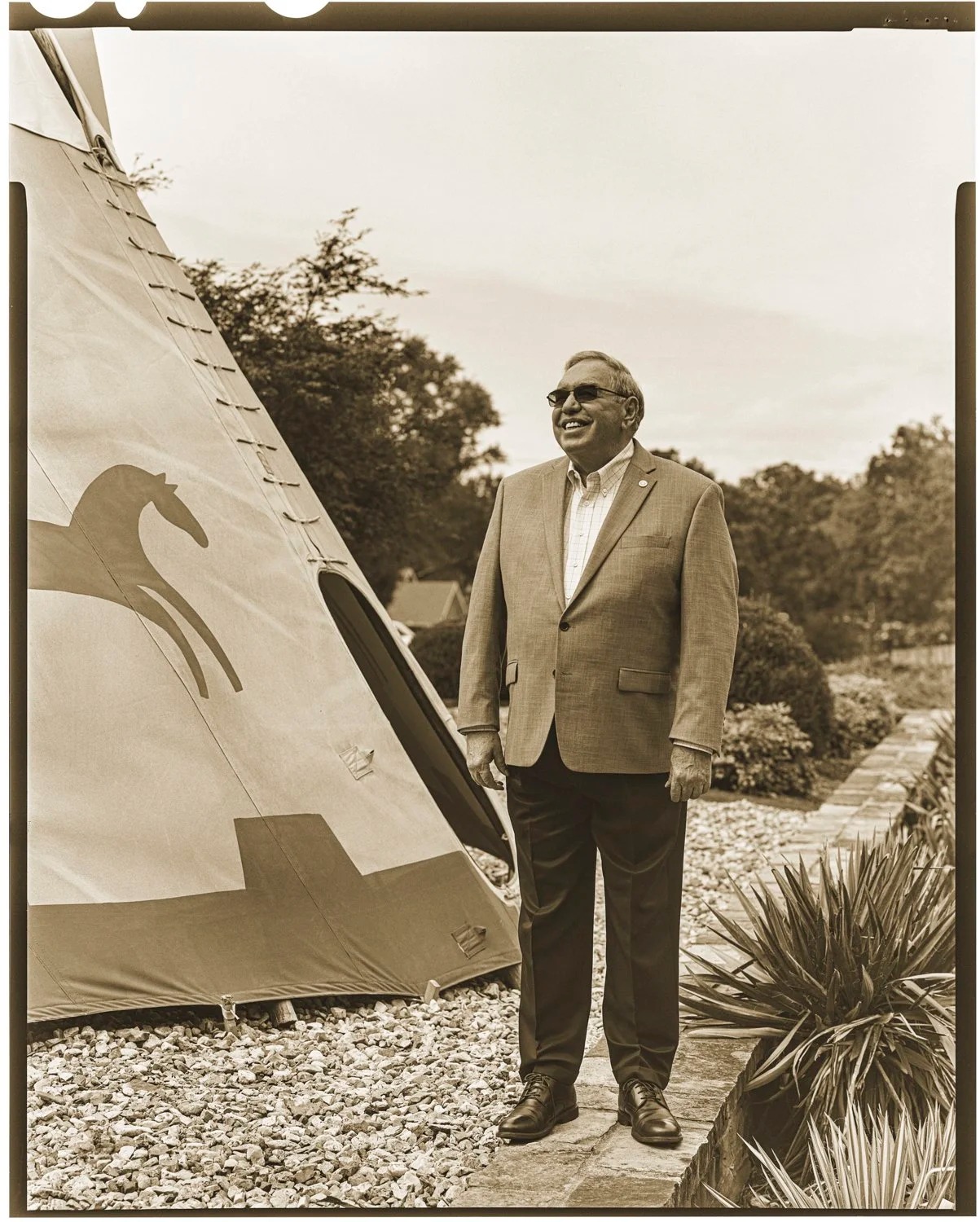
The Wheel is a project in progress, honoring and observing lands once described as Indian Territory. Cultural narratives inform this project, situated in places of forced relocation – and especially areas near the terminus of the Trail of Tears. The name of the project comes from the lottery wheel used to auction off native land during the period of removal from southeastern states. Symbolically, a wheel is a metaphor for historical cycles and the generational stories where privilege and power collide with indigenous groups.
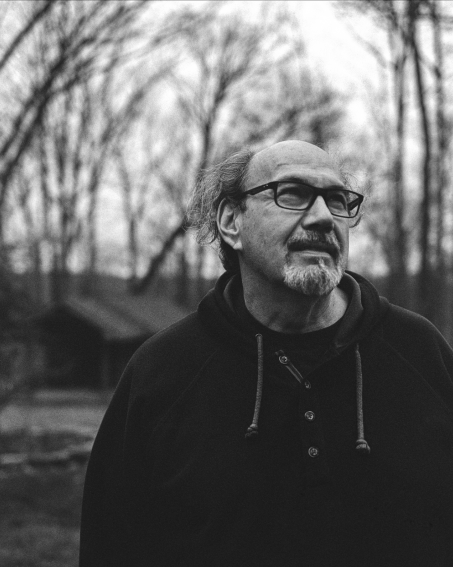
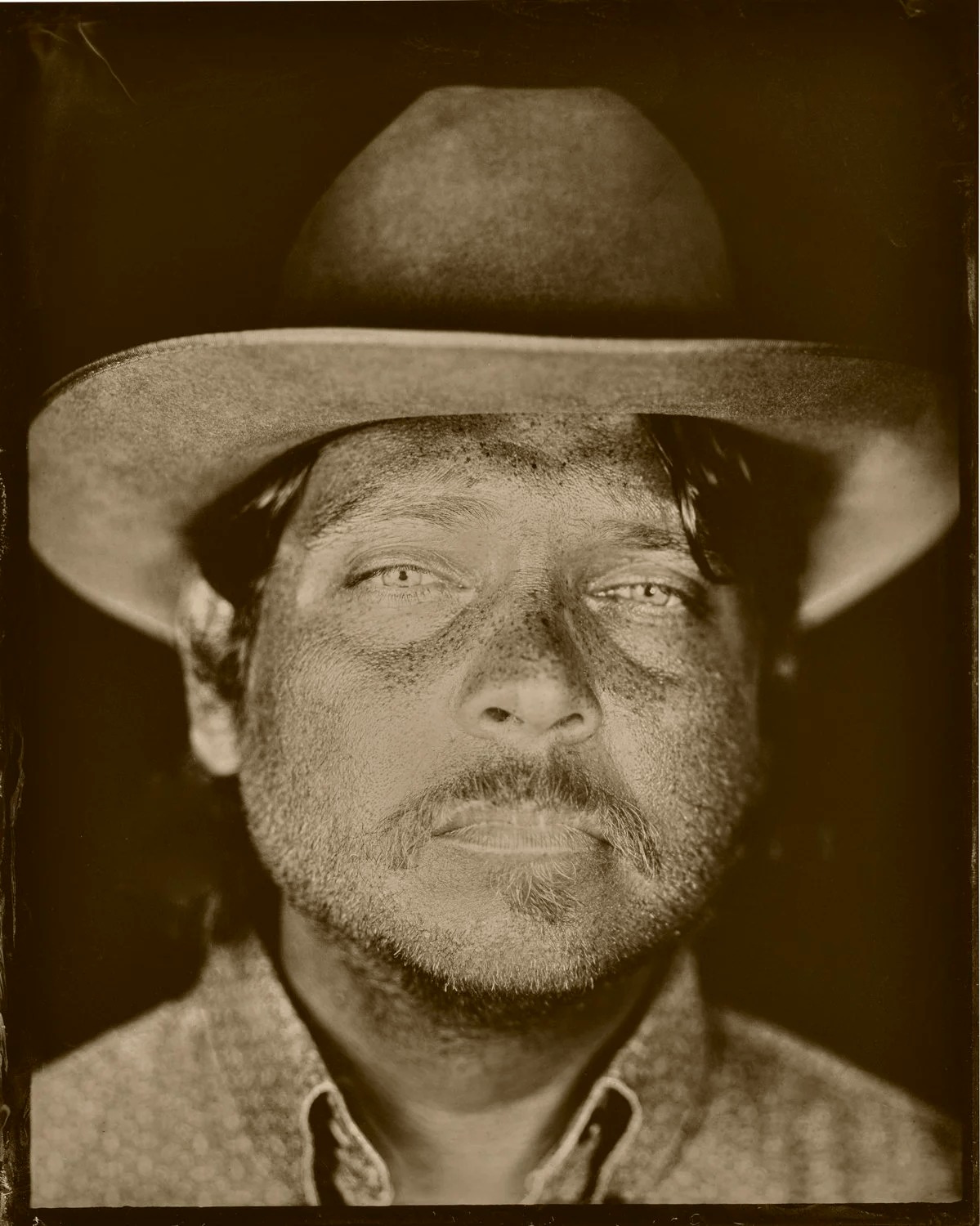
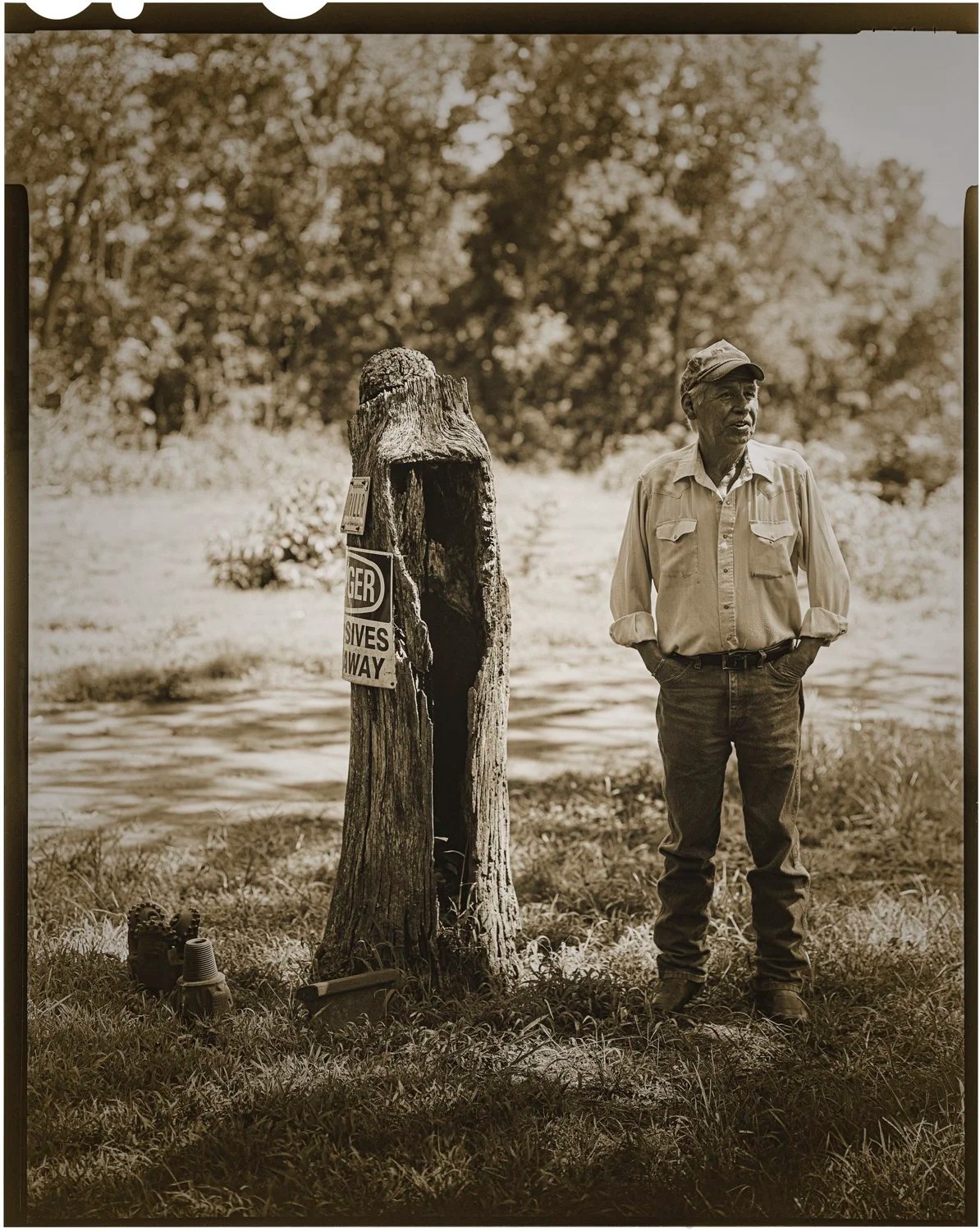
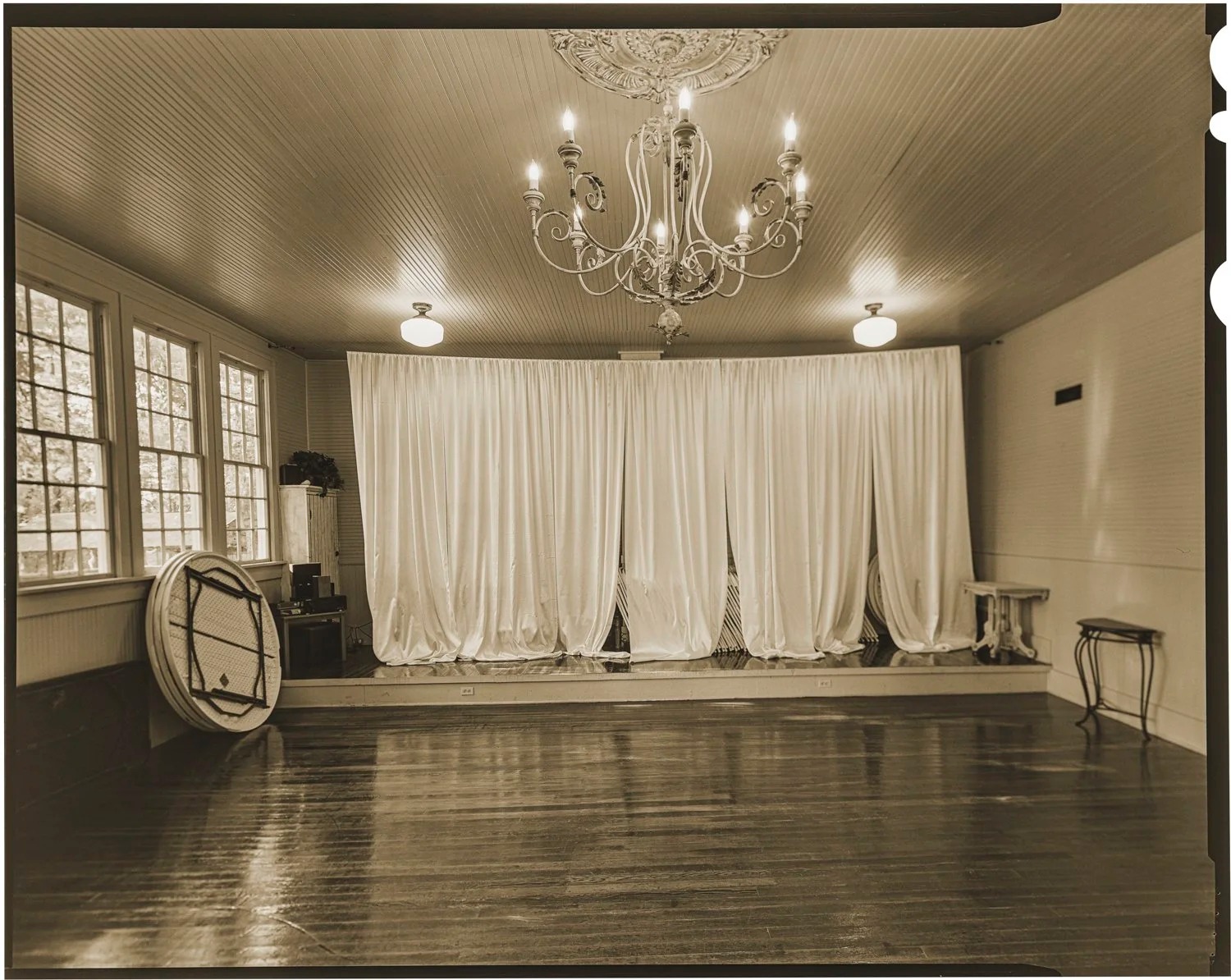
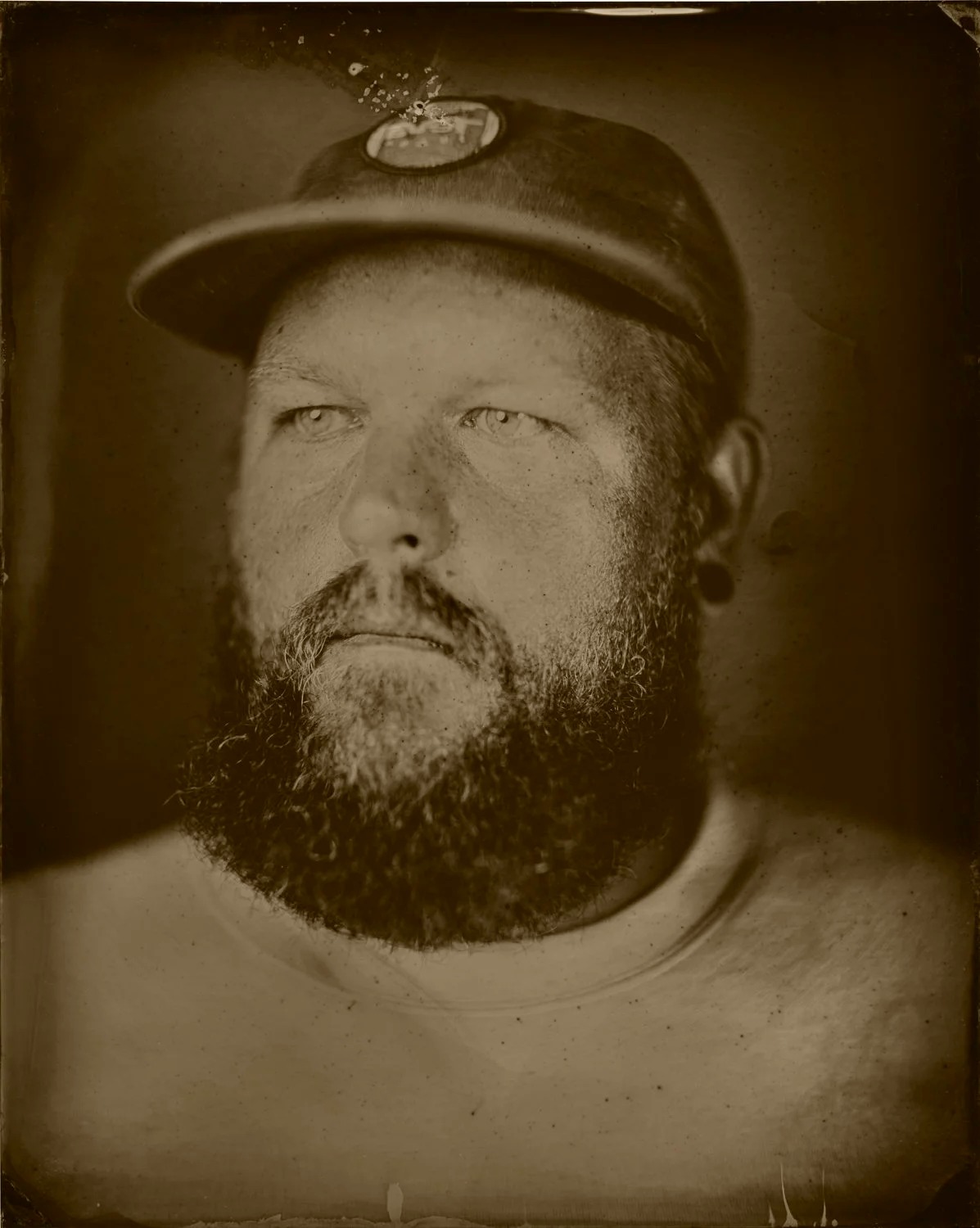
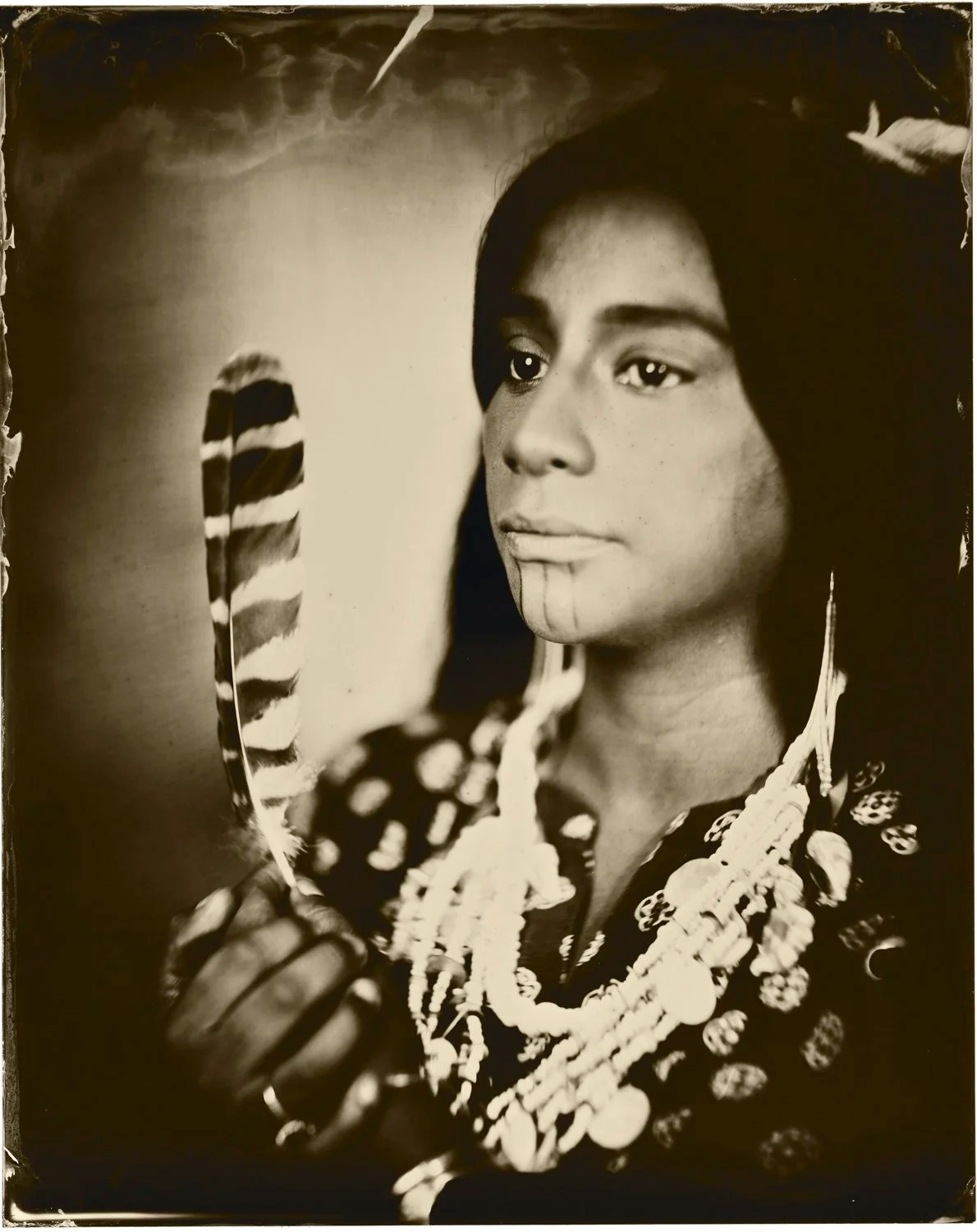
As a platform for respect and acknowledgment, The Wheel tells its story in portraits, places, and moments where the relocation experience is relayed by a combination of oral tradition, historical record, and immersion. It is with deep
respect that I attempt to convey a message of reconciliation.
As a principle for this body of work, I believe that the land we share is a great gift of the creator. Land can be surveyed and owned, but its gift cannot be bought.
For those who share this point of view, it becomes important to restore our relationship with the soil – to meditate on the meaning of land stewardship and acknowledgment. Bestowing honor to all people, the project engages participants of indigenous lineage and seeks conversation about living in harmony within the cultural and physical landscape around us.
Background, Approach, and Place
In approach, the project has taken me to places of historical importance, creating images that sometimes reflect divergent views toward sovereignty and occupation. This work is honored by the engagement of those who are generationally impacted by migration. Through their insight, I also explore how complications of land ownership meld into positions of power, self-worth, and identity. Stereotypes and representation are questioned, where indigenous culture has been capitalized.
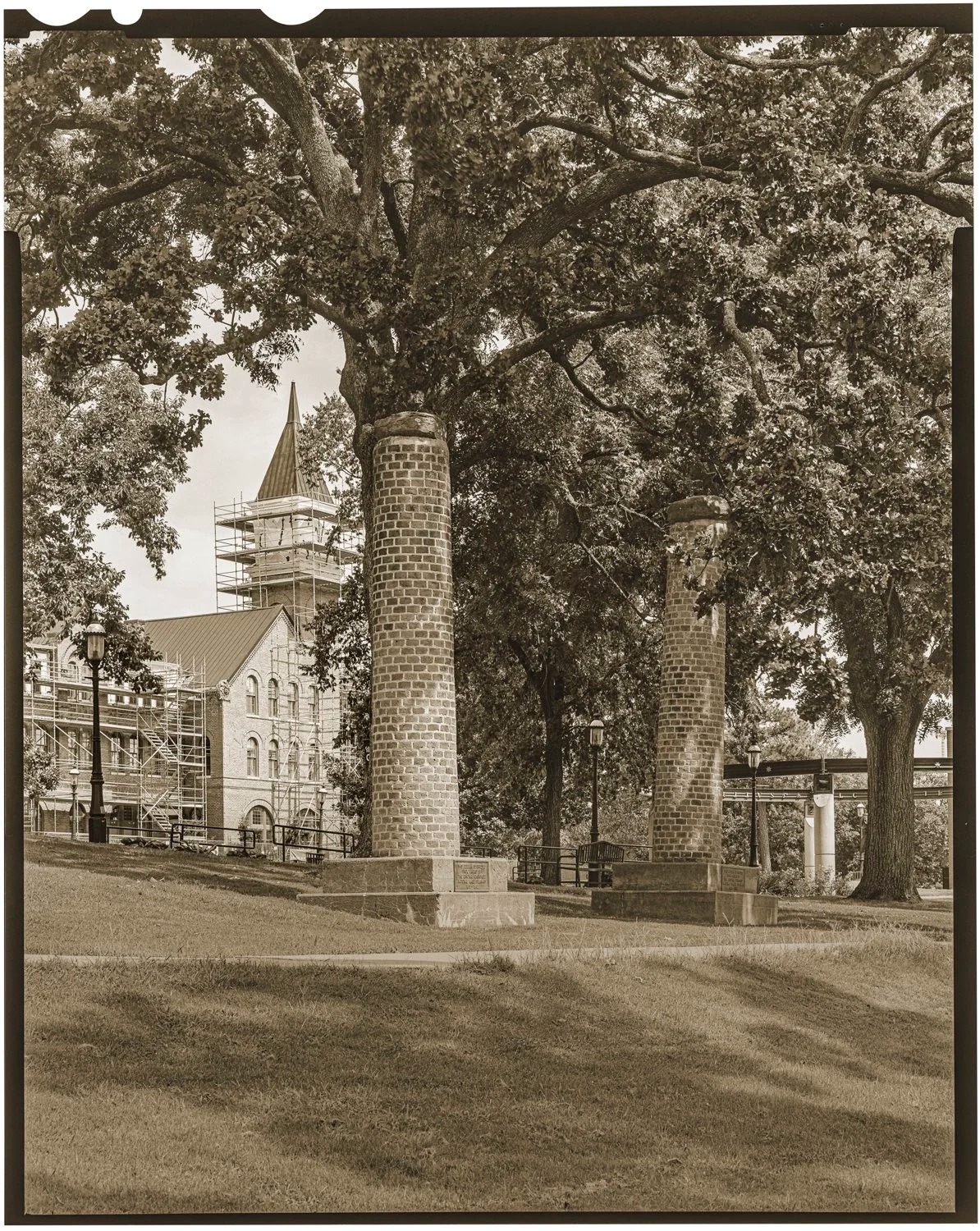
It seems appropriate for The Wheel to be exhibited here in Fort Smith, Arkansas, where we reside on grounds that are regionally central to relocation events, including the Lovely Purchase (1818), the Indian Removal Act (1830), and the Oklahoma Enabling Act (1907). These events, and many others, have helped shape the historical mindset for land rights and Manifest Destiny, a wayward notion of ownership superiority. Just to the north in Bentonville, Arkansas, and Benton County, are locations named after Senator Thomas Hart Benton (1782-1858) who was an architect of westward expansion. The city of Van Buren similarly takes its name from the 8th President Martin Van Buren, who directed Indian Removal in the late 1830s.
How – Methods Used
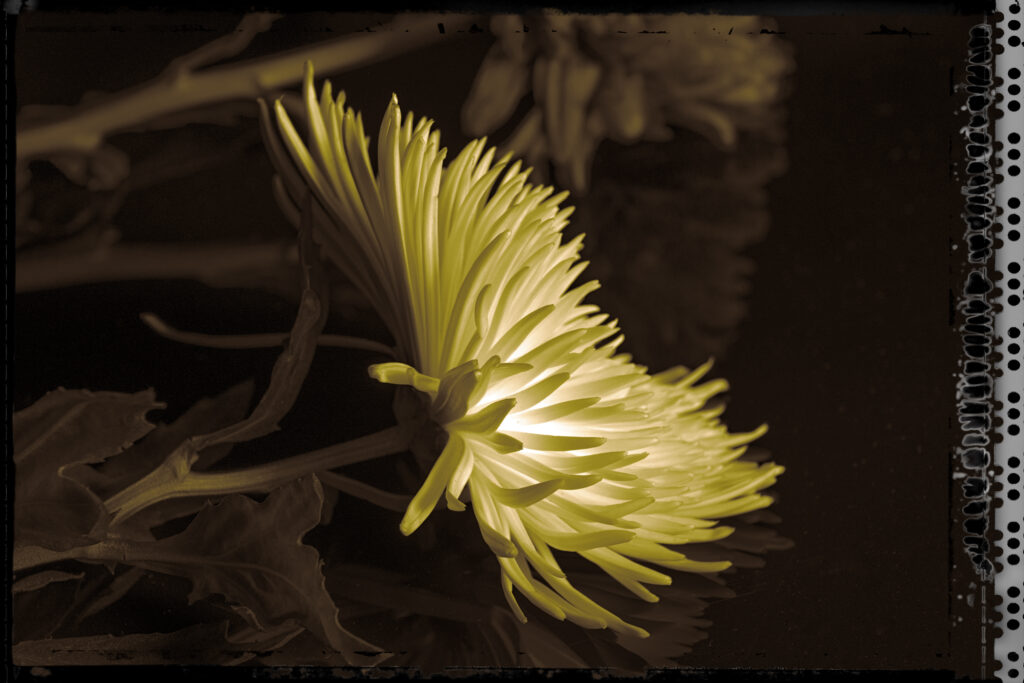
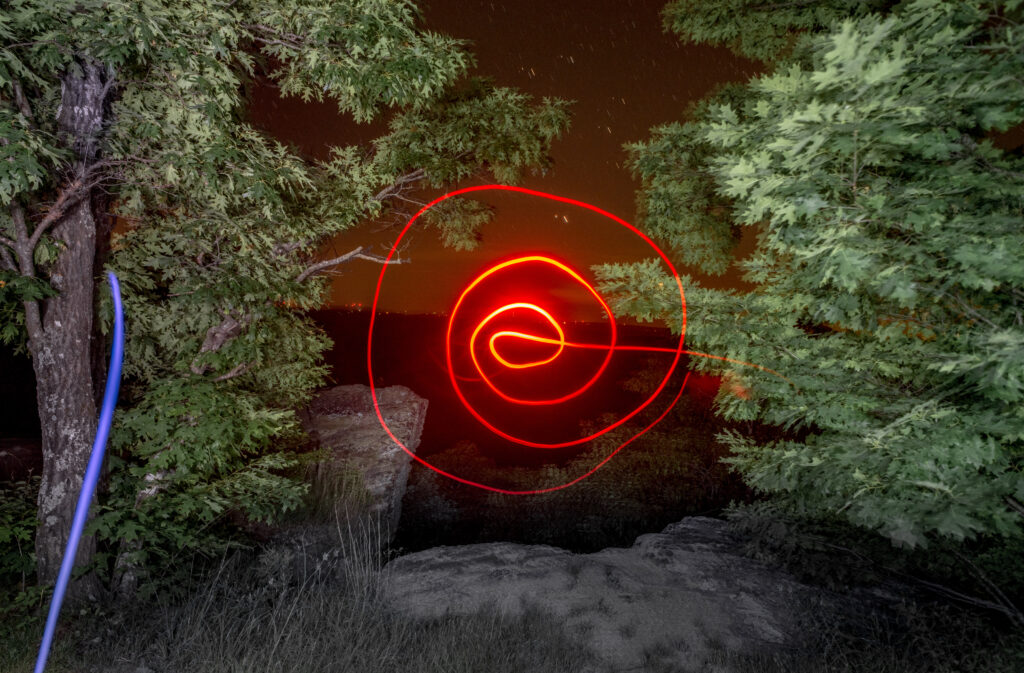
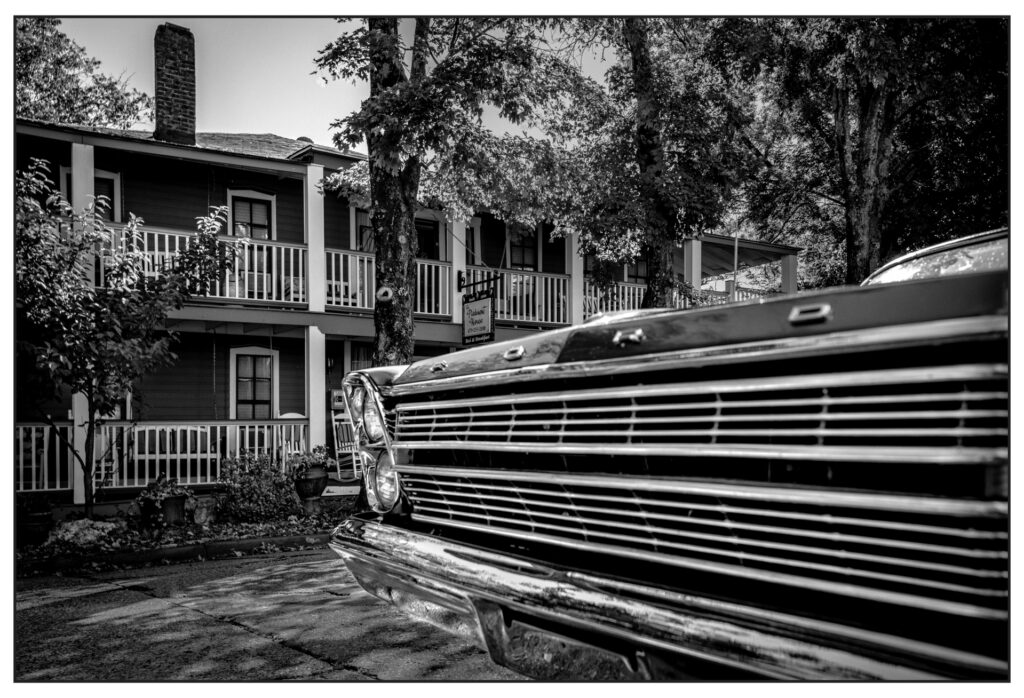
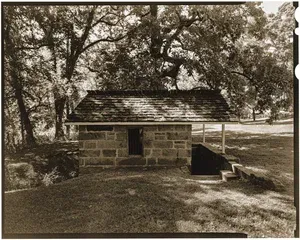
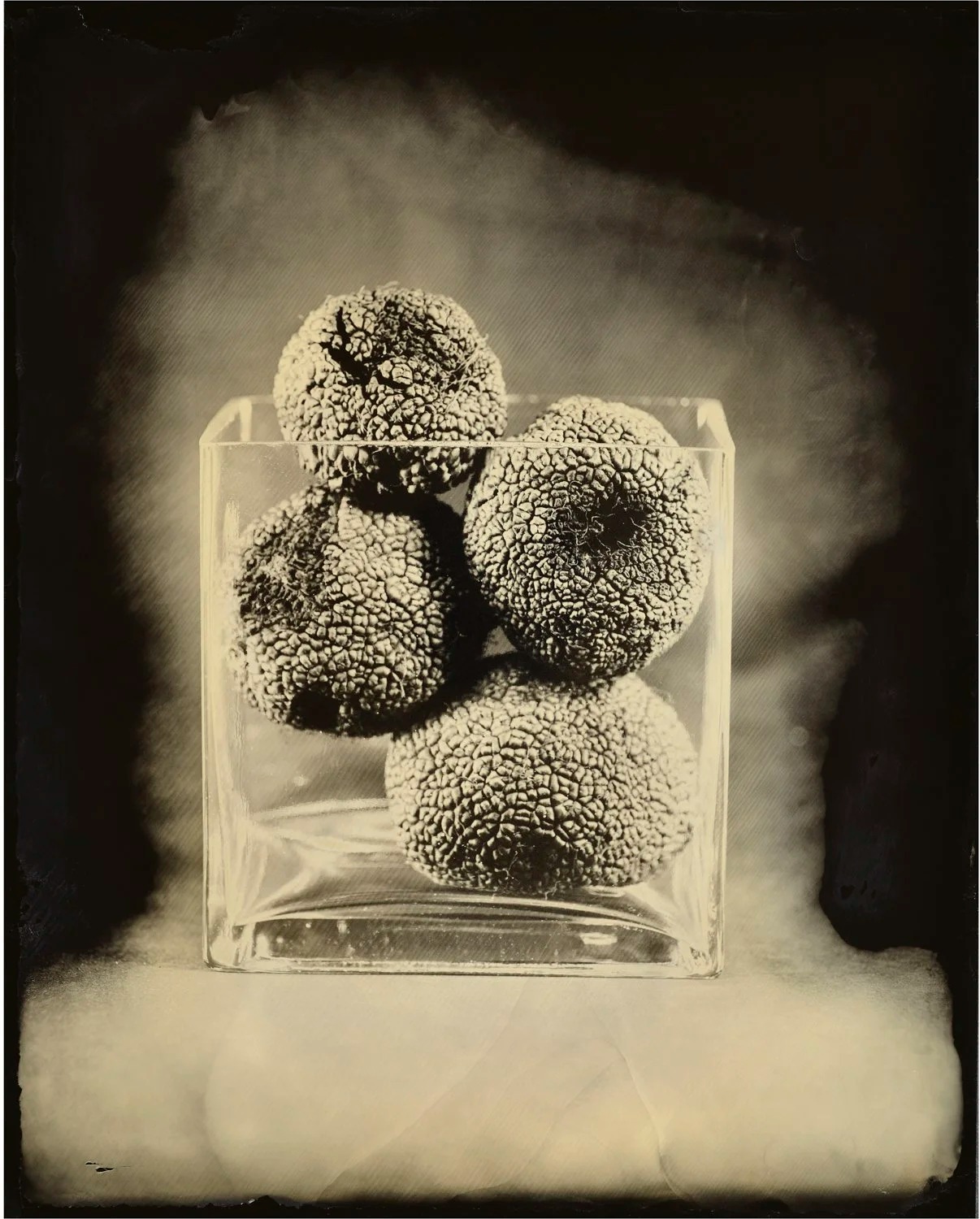
As a visual artist, engaged in the practice of photography, I often use methods applied during the period of history in which this story unfolds. The invention of photography is contemporary to the period of removal, and hand-coated emulsions were used where possible during the project. In fact, a span of more than 160 years of photographic methods were used, from Tintype, Dry Plate, large format film, and current-day digital image capture.
Photographs were made on location, with tintype portraits made from my studio in Rogers, Arkansas.